March 13, 2026
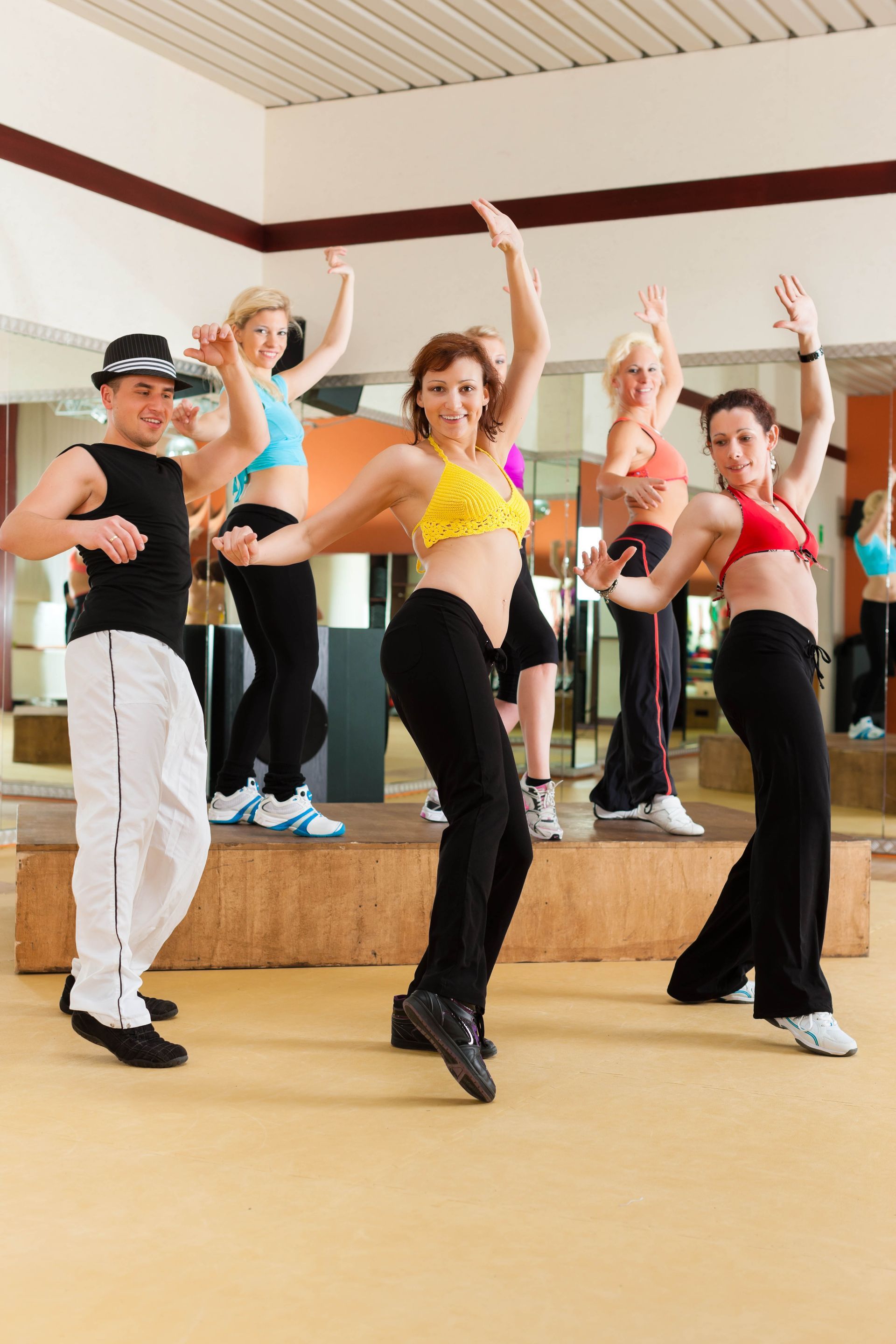
In recent years, more adults have rediscovered dance as a meaningful, energizing, and confidence-building form of self-expression. What was once viewed primarily as an activity for children or professional performers has expanded into a vibrant and inclusive community of adults seeking creativity, fitness, social connection, and personal growth. Dance studios across the country have seen an undeniable rise in enrollment, reflecting a shift in how adults approach wellness and recreation. According to IBISWorld, there are 10,908 businesses in the Dance Studios industry in the United States, which has grown at a CAGR of 1.6 % between 2019 and 2024. This increase demonstrates not only a wider interest in the art form but also a cultural movement around embracing joyful, sustainable activities at any age.
Adults today are balancing work, family, and personal responsibilities at a pace that can feel overwhelming. Many are turning to dance as a way to move their bodies, disconnect from stress, and tap into creativity that often goes neglected. The environment of adult dance classes encourages empowerment rather than pressure, creating a space where participants can focus on growth, exploration, and enjoyment. This shift toward expressive fitness and community-driven learning continues to fuel the rising popularity of adult participation in dance studios nationwide.
Exploring the Motivations Behind Adult Interest in Dance
One of the primary reasons adults are enrolling in adult dance classes is the desire for physical activity that feels engaging rather than routine. Traditional fitness options like running or gym workouts can feel repetitive, while dance offers variety through movement styles, music genres, and choreographic challenges. Adults appreciate the opportunity to build strength, flexibility, and coordination in ways that stimulate both the body and mind.
Another powerful motivator is stress reduction. Dance requires focus, presence, and emotional release. Participants often describe class as an hour where they can leave behind the pressures of daily life and immerse themselves in rhythm and movement. This combination of physical exertion and emotional expression provides a therapeutic outlet that many adults find invaluable. The growing emphasis on mental well-being has made adult dance classes an increasingly attractive alternative to traditional stress-management methods.
Understanding the Social Appeal That Draws Adults to Dance
Beyond the physical and emotional benefits, dance offers a sense of community that many adults seek in their daily lives. Friendships formed in class often extend beyond the studio, creating supportive networks that encourage consistency and growth. Dancing with others requires trust, shared effort, and mutual encouragement, which naturally builds connection.
In a digital age where much social interaction occurs online, adults are craving more genuine, in-person experiences. Adult dance classes provide opportunities to collaborate, laugh, and learn together in ways that feel refreshing and authentic. Whether joining a beginner class with no experience or returning to dance after years away, adults often find that the studio environment fosters inclusivity and shared enthusiasm. This strong sense of camaraderie further contributes to the rise in adult enrollment.
Examining the Types of Dance Styles That Attract Adult Learners
The accessibility and diversity of dance styles available today play a significant role in the popularity of adult dance classes. Adults can choose between classic disciplines such as ballet, tap, or jazz, or explore contemporary options like hip-hop, ballroom, salsa, or modern dance. Many studios also offer specialty formats that incorporate dance into fitness programs, appealing to individuals seeking both exercise and artistry.
The availability of beginner-friendly levels in each style encourages participants to try something new without fear of judgment. Teachers design classes to support skill development at a comfortable pace, making dance approachable for adults of all ages and fitness levels. This flexibility allows learners to customize their journey, exploring multiple styles until they find the ones that resonate most strongly. The range of options ensures that adult dance classes meet diverse interests and comfort zones, contributing to their steady growth.
Recognizing the Confidence and Self-Expression Dance Encourages
Many adults join dance programs because they are seeking a form of expression that extends beyond words. Movement allows individuals to process emotions, explore creativity, and reconnect with parts of themselves that everyday routines sometimes suppress. Adult dance classes create an encouraging atmosphere where participants can take risks, expand their comfort zones, and cultivate self-confidence.
As adults progress through classes, they often experience personal transformations. Small victories, such as mastering a new step or remembering choreography, build a sense of accomplishment. The emphasis on improvement over perfection helps participants develop resilience and trust in their own abilities. These emotional rewards inspire long-term commitment, which contributes to the rising popularity of dance among adults who may have never imagined themselves stepping into a studio.
Highlighting the Health and Wellness Benefits That Support Adult Participation
Another key factor driving interest in adult dance classes is the extensive health and wellness benefits they provide. Dance is a full-body workout that improves cardiovascular health, muscle tone, balance, and flexibility. It also challenges the brain through memorization and coordination, supporting cognitive function in adults of all ages. Many participants find dance to be an enjoyable way to stay active without the monotony associated with traditional workouts.
The long-term nature of these benefits keeps adults returning to the studio week after week. The combination of physical fitness, mental clarity, and emotional well-being creates a holistic experience that aligns with modern wellness priorities. Adults increasingly recognize that dance supports both longevity and quality of life, making adult dance classes a valuable addition to any lifestyle.
Addressing the Misconceptions That Often Keep Adults from Dancing
Despite the growing popularity of adult dance classes, misconceptions still prevent some individuals from pursuing them. Many adults assume they must have prior experience or a natural rhythm to succeed in a studio setting. Others worry about feeling out of place or being judged by more seasoned dancers. These fears are often unfounded.
Studios offering adult programs specialize in creating comfortable learning environments tailored to beginners and returning dancers alike. Instructors emphasize patience, positive reinforcement, and gradual progression. Participants quickly discover that skill level matters far less than willingness to learn. As more adults openly share their positive experiences, these misconceptions continue to fade, clearing the way for wider participation.
Understanding How Adult Dance Programs Continue to Evolve
The landscape of adult dance classes continues to evolve as studios respond to shifting interests and cultural trends. Many programs now incorporate fusion styles, interdisciplinary workshops, performance opportunities, and flexible scheduling that accommodates busy lifestyles. Adults value variety and customization, and studios are adapting to meet those preferences.
The rise of short-term series, drop-in classes, and themed workshops also reflects changes in how adults approach learning. Rather than committing to long-term programs immediately, participants can explore styles and levels before choosing a path that suits their goals. This adaptable structure promotes sustained engagement and encourages adults to remain active in the dance community.
Conclusion
The rising popularity of adult dance classes reflects a broader cultural shift toward joyful movement, holistic wellness, and creative expression. Adults are embracing dance as a way to stay active, relieve stress, build community, and challenge themselves in ways that feel fulfilling and enjoyable. With diverse styles, beginner-friendly instruction, and welcoming environments, dance studios have opened their doors to individuals seeking experiences that support both physical and emotional well-being. Whether returning to a childhood passion or stepping into a studio for the first time, adults are finding transformation, empowerment, and connection through dance. To explore the possibilities for yourself and join a growing community of enthusiastic learners, contact Pennsylvania Academy of Dance Arts.