February 13, 2026
Ballet, with its rich history and timeless elegance, continues to captivate people of all ages. From physical health improvements to mental wellness, ballet offers something for everyone. Whether you are looking to stay fit, learn a new skill, or gain cultural enrichment, this graceful form of dance provides an array of reasons to get involved. Ballet is a disciplined and highly structured art form that challenges the body and the mind. Embracing ballet can lead to transformative personal growth and open doors to numerous enriching experiences.
1. Improving Physical Fitness
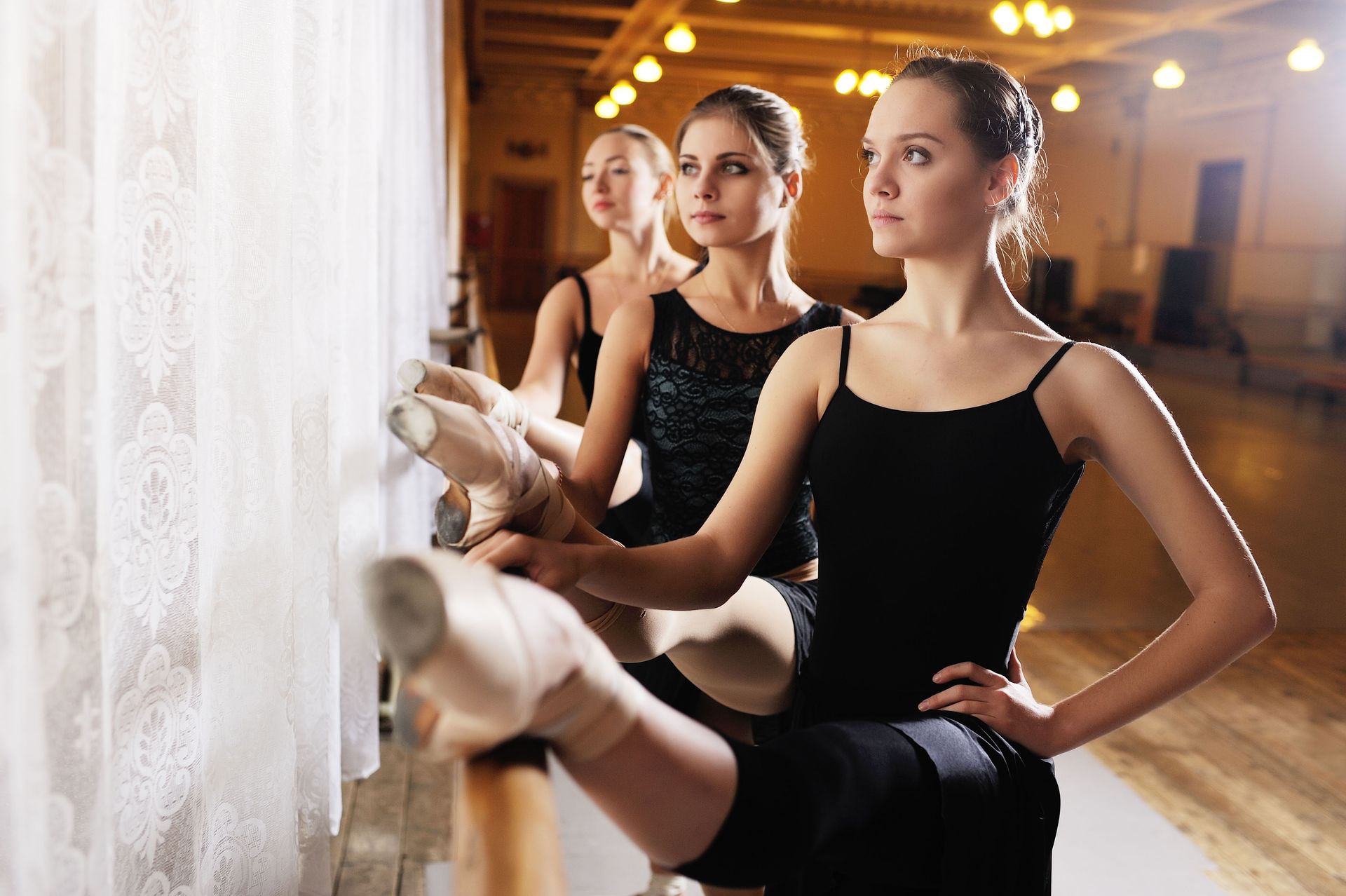
Ballet undeniably enhances physical fitness, demanding a level of flexibility that improves over time with practice. The structured nature of ballet exercises ensures that practitioners gradually stretch and extend their muscles, thereby increasing their range of motion. It requires working on flexibility through consistent and targeted stretching exercises that are integral to ballet training. This improved flexibility supports the prevention of injuries and enhances overall performance, allowing dancers greater freedom and grace in their movements. Additionally, the pursuit of flexibility in ballet contributes to better posture and an extended form, both highly valued attributes in dancers.
Regular participation in ballet classes builds strength, as it involves sustained physical exertion that challenges various muscle groups. Ballet is an engaging full-body workout that targets the core, legs, arms, and back: key areas for achieving the poised and controlled movements typical of the dance. Each precise movement requires muscle control, activating multiple muscles simultaneously to maintain balance and execute steps gracefully. Over time, dancers experience increased muscle endurance and overall physical fortitude. Moreover, this strength-building aspect makes ballet an effective form of cross-training for athletes from various disciplines.
Ballet also significantly boosts coordination, a skill honed through complex and dynamic movements. As dancers progress through more intricate routines, they develop heightened awareness of their bodies in space, refining their natural coordination. The seamless integration of music and dance requires timing and synchronization, which sharpen these skills. This enhanced coordination translates to improved balance and agility, both essential for executing challenging dance sequences. Ultimately, the coordination gained from ballet can improve physical performance in other activities and daily life.
2. Enhancing Mental Well-being
Engaging in ballet classes can serve as an effective method for reducing stress, as the focus required offers a form of mental escapism. The demands of learning and perfecting movements enable practitioners to channel their attention away from daily stresses, providing relief and mental clarity. Ballet involves repetitive practice and mastering specific movements, which promotes a meditative state akin to mindfulness. This mental reprieve can lead to a reduction in anxiety and an improvement in mood. Additionally, ballet classes can provide a productive outlet for channeling emotions positively, mitigating stress's impact.
Ballet also plays a pivotal role in boosting confidence, as dancers achieve various milestones throughout their training. As dancers advance through levels and master challenging techniques, their confidence grows in concert with their skills. Celebrating progress and mastering new steps fosters a sense of achievement, reinforcing self-esteem. Furthermore, performing in front of audiences enhances public speaking and presentation skills, further building confidence. This newfound self-assurance often extends beyond the dance studio, positively influencing other aspects of life.
Ballet's structured nature requires concentration and mindfulness, facilitating an environment conducive to these mental states. As dancers focus on precision and detail, they cultivate present-moment awareness, similar to meditation practices. This heightened focus improves attentiveness and the ability to stay present, reducing overthinking and distractions. Mindfulness developed in ballet classes can lead to greater emotional regulation and resilience in facing life's challenges. Moreover, the practice encourages self-reflection and self-improvement, traits valuable for overall personal growth.
3. Cultivating Artistic Expression
Ballet is a rich platform for fostering creativity and artistic exploration. As dancers grow, they are encouraged to express themselves through movement, using their bodies as creative tools. Choreography in ballet provides a canvas for innovative interpretations and storytelling. This encouragement of artistic flair allows dancers to explore unique expressions and styles within the traditional framework of ballet. The nurturance of creativity in dance often inspires heightened creative thinking and problem-solving abilities in other areas of life.
One of ballet's unique features is its ability to enable storytelling without the use of words, relying on movement and expression. Through various gestures, expressions, and choreographic sequences, dancers convey emotions and narratives, engaging audiences in compelling ways. This nonverbal communication hones dancers' abilities to understand and convey emotions intricately, enhancing empathy and emotional intelligence. Ballet performances are often based on classic stories, allowing dancers to explore cultural tales and adapt modern narratives. This storytelling ability enriches both personal and audience experiences, making dance a universal language.
Ballet significantly develops musicality, a key aspect of dance that involves synchronization with music. Dancers learn to understand and interpret musical cues, rhythms, and structures, enhancing their appreciation for music. This relationship with music deepens dancers' rhythmic abilities and timing, important components of both dance and music. Ballet classes often incorporate a variety of musical styles, exposing dancers to different genres and cultures. As they learn to move in harmony with music, dancers cultivate an increased sense of musical expression and connection.
4. Providing Social Engagement
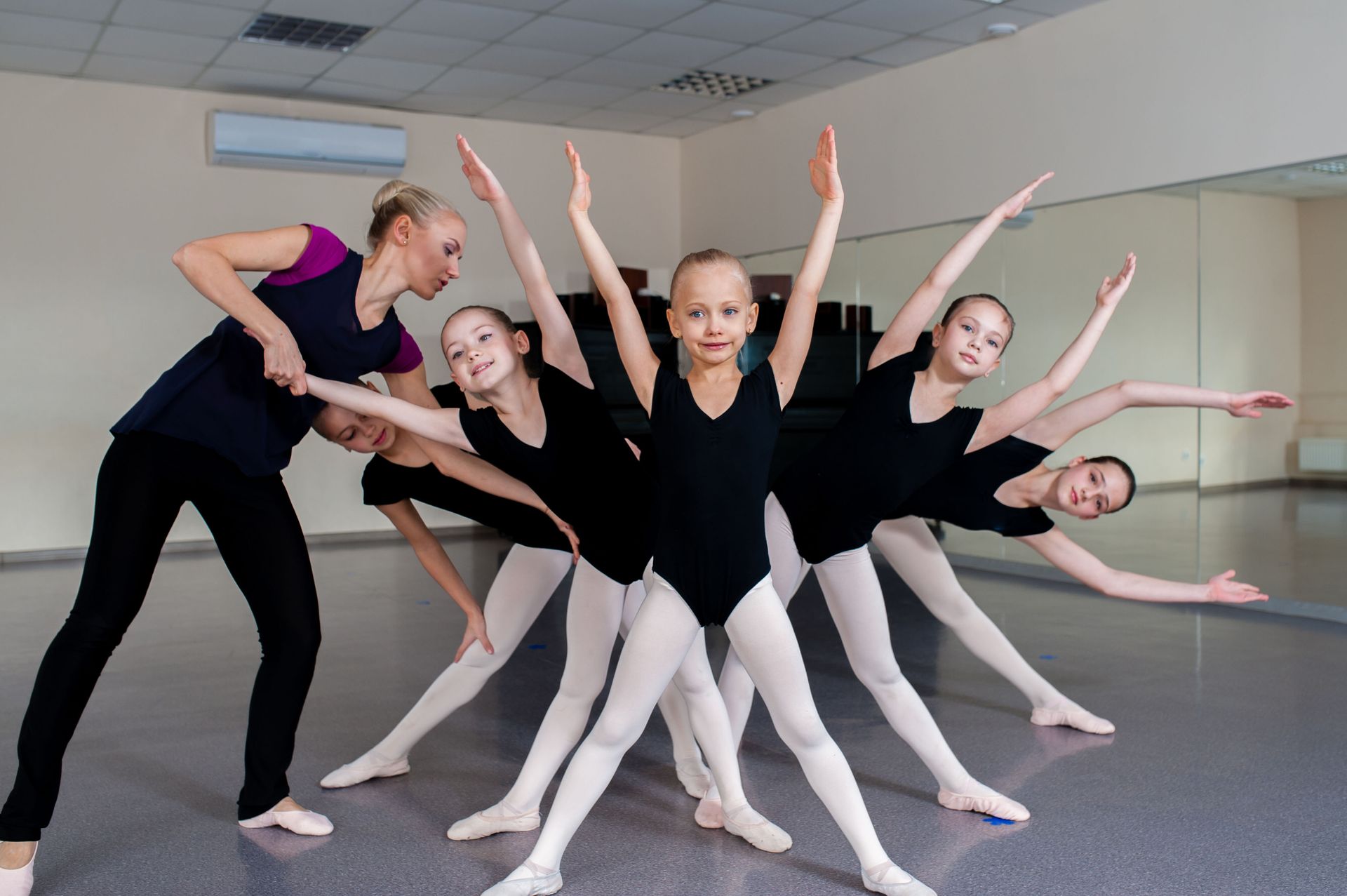
Ballet classes offer a strong sense of community and belonging among participants with shared interests. These classes bring together individuals passionately interested in dance, creating an environment that fosters camaraderie and support. Group classes and rehearsals facilitate interaction and bonding, encouraging friendships that extend beyond the studio. This sense of community is strengthened through shared experiences and collective performances, solidifying bonds amongst dancers. Such connections are invaluable, providing emotional and social support, making the dance journey even more rewarding.
Collaborative performances in ballet encourage teamwork, as dancers work together to create cohesive and unified presentations. Ballet requires synchronized movements and trust in partners, strengthening cooperative skills and reliance on one another. The focus on teamwork develops communication and coordination, essential skills for group success. Through collaborative efforts, dancers learn to appreciate diverse strengths and abilities, promoting inclusivity and mutual respect. This teamwork experience translates into improved interpersonal skills applicable in various professional and social contexts.
Ballet classes frequently expand social networks, bringing individuals together from diverse backgrounds and walks of life. Dance studios often attract participants from various demographics, offering a platform for new interactions and friendships. This diversity enriches the social fabric of the dance community, adding unique perspectives and experiences. According to Art de Ballet, ballet is a global art form, taught and performed in over 140 nations worldwide, exemplifying its vast appeal and inclusivity. Engaging with such a wide-reaching art form encourages cultural exchange and broadens social horizons.
5. Developing Lifelong Skills
Ballet instills perseverance, teaching dancers to persist through challenges associated with mastering difficult techniques. The disciplined practice and repetition required to perfect movements foster resilience and determination in pursuing goals. As dancers grow accustomed to overcoming obstacles, they develop a mindset rooted in persistence, crucial for navigating life's difficulties. This perseverance becomes ingrained, serving as a transferable skill in academic, personal, and professional settings. Ballet encourages a never-give-up mentality, fueling continued growth and success.
The structured nature of ballet enhances time management, with classes and practices requiring regular commitment and scheduling. Dancers learn to efficiently manage their time to balance lessons, rehearsals, and personal responsibilities. The dedication necessary for consistent practice fosters advanced organizational skills and prioritization abilities. Developing effective time management early on benefits academic pursuits, career progression, and personal responsibilities. Establishing this discipline through ballet empowers individuals to maintain organized, productive lives.
Ballet training fosters adaptability, requiring dancers to quickly learn new routines, adapt to performance environments, and respond to instructions. As dancers progress, they encounter various styles and techniques, encouraging flexibility in learning and adapting. This continuous adaptation broadens dancers' capacity to handle changes and uncertainties, a skill beneficial in all aspects of life. Exposure to different choreography and performance settings requires rapid cognitive adaptation and flexibility. Dancers benefit from this adaptability, approaching life's challenges with fluidity and confidence.
Ballet offers numerous benefits that extend beyond the dance itself. From improving physical fitness and mental health to offering opportunities for social engagement and professional development, the practice of ballet can significantly enrich one's life. By taking up ballet classes, you embark on a journey of personal growth, artistic discovery, and cultural connection. Be sure to contact the Pennsylvania Academy of Dance Arts if you're interested in learning ballet!