January 13, 2026
Exploring the world of dance education can feel overwhelming, especially with so many digital options promising fast results from the comfort of your living room. While convenience has its place, learning dance is deeply physical, social, and experiential. For students who want strong technique, real accountability, and long-term growth, choosing a dance school often delivers a far more complete and rewarding experience. In-person training creates structure, consistency, and connection—things that can’t be replicated through a screen, no matter how good the Wi-Fi is. Dance thrives on physical presence, shared energy, and real-time instruction. These elements form the foundation of meaningful progress and lasting confidence. Without them, growth can plateau quickly.
Developing a Structured Learning Environment
A traditional studio setting offers a rhythm and routine that helps dancers progress steadily. When students attend a dance school, classes follow thoughtfully designed curricula that build skills step by step rather than jumping randomly between techniques. This structure ensures foundational movements are mastered before more advanced choreography is introduced, reducing frustration and lowering the risk of injury. Students benefit from clear expectations and consistent benchmarks for improvement. Structured programs also make it easier to track progress over time. This level of organization is often missing from self-guided online programs.
Consistent scheduling also encourages discipline, helping students develop habits that support long-term success rather than short bursts of motivation that often fade with self-guided online learning. Regular attendance reinforces accountability and commitment. Over time, this routine becomes part of a dancer’s lifestyle rather than an occasional hobby. That consistency is what allows skills to truly develop and stick.
Receiving Real-Time Feedback and Corrections
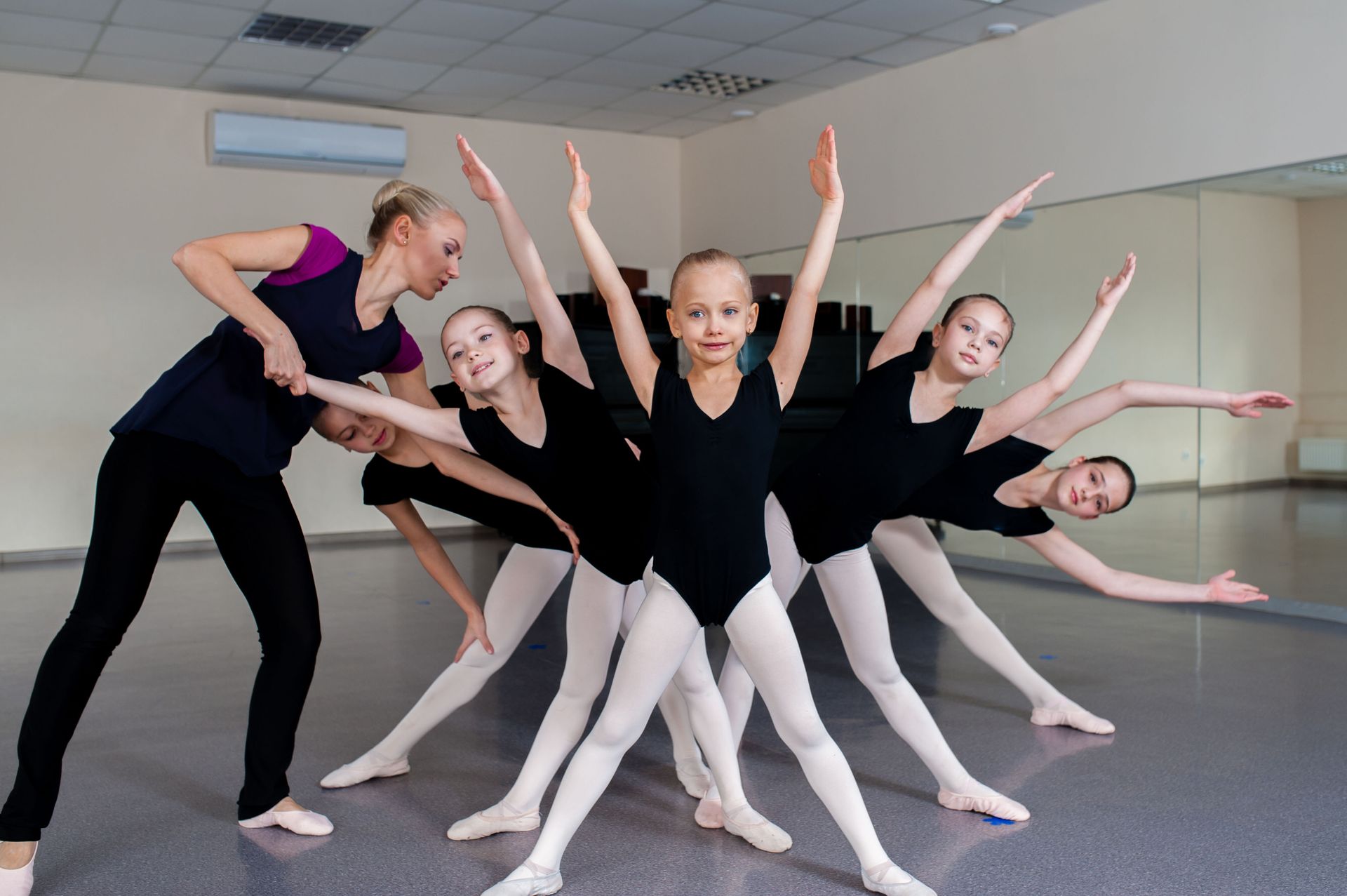
One of the biggest advantages of in-person instruction is immediate feedback. In a dance school, instructors can physically see alignment, posture, timing, and spacing from every angle. Corrections happen in the moment, preventing bad habits from forming and helping students understand how movements should actually feel. This kind of instant adjustment accelerates learning significantly. Small corrections early on can prevent major issues later. It also helps dancers feel more confident in their execution.
Online classes may offer demonstrations, but they can’t respond to subtle mistakes or adjust instruction to individual bodies in real time. Dancers may unknowingly repeat errors without realizing it. Over time, these unchecked habits can become difficult to undo. In-person guidance helps students progress safely and efficiently.
Training In Proper Studios and Safe Environments
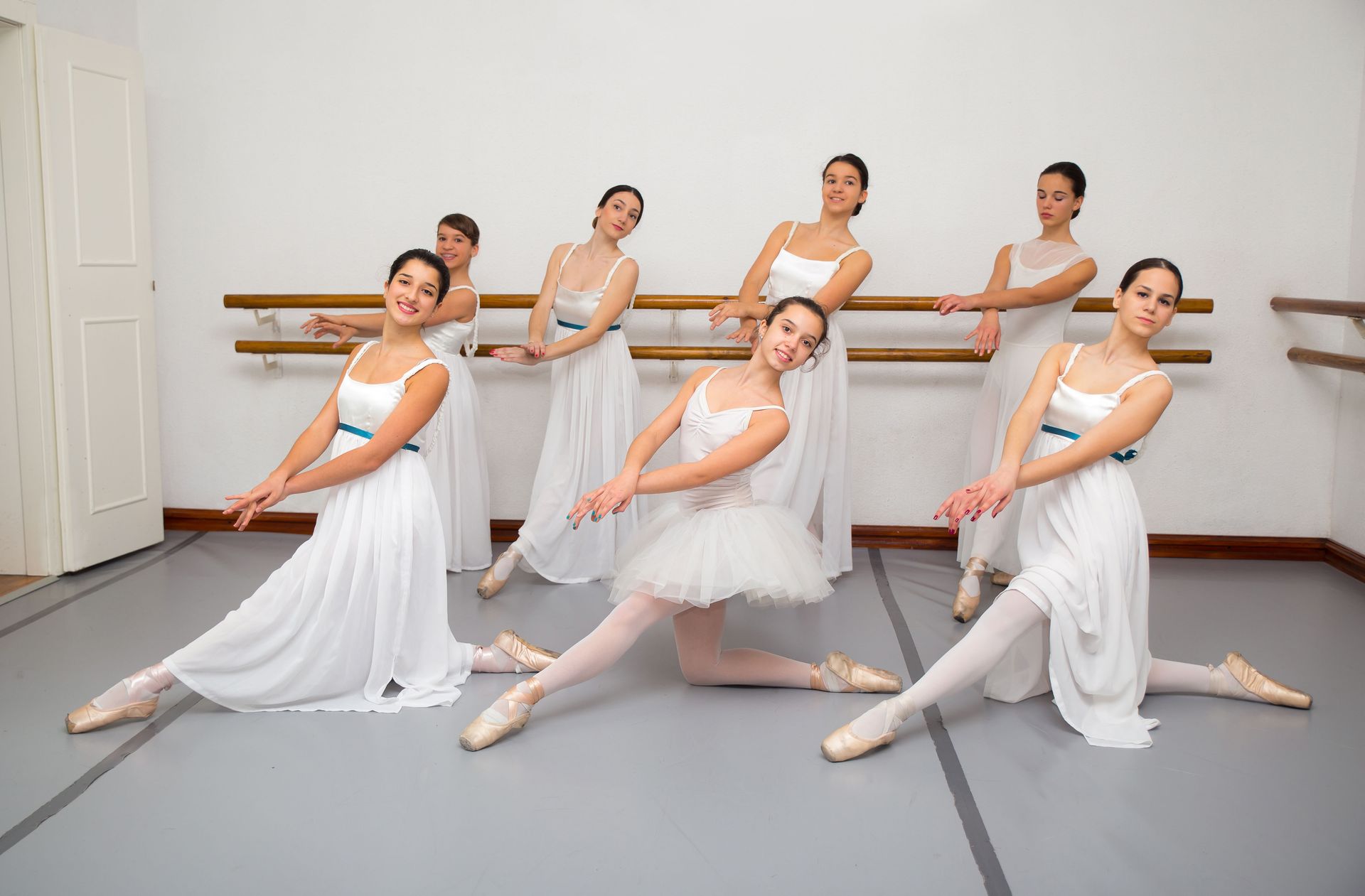
Professional studios are designed specifically for dancers. Sprung floors, mirrors, barres, and adequate space all play a role in safe and effective training. Students at a dance school benefit from environments that support joint health, balance, and spatial awareness. These elements reduce strain on the body and support proper technique. The physical setup of a studio matters more than many beginners realize. It directly impacts comfort, confidence, and longevity.
Learning at home often means dancing on hard floors, in tight spaces, or without mirrors—conditions that can limit progress and increase the risk of strain or injury over time. Without visual feedback, it’s harder to self-correct. Limited space can also restrict movement quality and expression. A dedicated studio allows dancers to move freely and safely.
Gaining Performance Experience and Stage Confidence
Performance is a vital part of dance education. Recitals, showcases, and in-studio demonstrations give students goals to work toward and help them develop confidence under pressure. A dance school provides these opportunities regularly, allowing dancers to learn stage etiquette, teamwork, and how to manage nerves. These experiences help transform practice into polished performance. They also teach dancers how to handle mistakes with grace. Confidence grows through repeated exposure.
Online programs rarely offer meaningful performance outlets, leaving students without experience presenting their skills in front of an audience. Without performance opportunities, growth can feel incomplete. Stage experience builds resilience and adaptability. It prepares dancers for real-world opportunities beyond the studio.
Learning From Experienced and Engaged Instructors
Qualified instructors do more than teach choreography—they mentor, motivate, and model professionalism. At a dance school, teachers draw from years of training and performance experience, adapting instruction to different learning styles and age groups. This depth of engagement helps students feel supported and understood. Instructors can recognize individual strengths and challenges quickly. That insight leads to more effective teaching.
This level of involvement is difficult to replicate online, where lessons are often generalized and lack personal accountability. Pre-recorded content cannot respond to questions or struggles in real time. Students may feel disconnected or unsure of their progress. In-person instruction keeps dancers engaged and focused.
Building Community and Lasting Relationships
Dance is inherently social. Training alongside peers fosters camaraderie, teamwork, and mutual encouragement. Within a dance school, students form friendships that keep them motivated and connected, making classes something they look forward to rather than another task on a to-do list. Shared challenges and successes strengthen bonds. These relationships often become a major reason students stay committed. A sense of belonging fuels persistence.
These connections often extend beyond the studio, creating a supportive network that benefits dancers emotionally as well as artistically. Students learn to collaborate and support one another. Community helps dancers push through plateaus and setbacks. It also makes the learning process more enjoyable.
Understanding Participation Trends and Inclusivity
According to the National Institutes of Health, dance participation is much higher among girls (34.8%) compared to boys (8.4%). In-person studios play an important role in addressing this gap by creating inclusive environments that actively welcome dancers of all genders and backgrounds. A dance school can adapt teaching approaches, class structures, and encouragement in ways that help every student feel seen and supported. Representation and mentorship matter. Seeing peers succeed encourages wider participation.
This type of inclusivity is more difficult to foster through online-only platforms. Physical studios allow instructors to respond to individual needs and comfort levels. Supportive environments help students overcome self-consciousness. Inclusion thrives when instructors can engage directly with students.
Clarifying Goals and Commitment Levels
Before choosing a learning path, it’s important to understand what you want from dance. Whether your goal is technical mastery, performance readiness, or lifelong enjoyment, adance school offers guidance and accountability that help students stay committed. Instructors can help clarify goals and recommend appropriate training paths. Clear direction keeps students motivated. It also prevents burnout.
Scheduled classes, instructor expectations, and peer support all reinforce consistency. Online classes may seem flexible, but that same flexibility often leads to skipped sessions and stalled progress. Structure helps dancers stay focused and accountable. Consistency is key to meaningful improvement.
Choosing how and where to train shapes not only skill development, but also confidence, discipline, and enjoyment of the art form. While online resources can supplement learning, they rarely replace the depth, safety, and connection found in a studio setting. For dancers seeking comprehensive instruction, meaningful feedback, and a true sense of belonging, in-person education remains the gold standard. Long-term growth depends on more than convenience. It requires commitment, guidance, and community.
If you’re ready to invest in real growth and lasting technique, Pennsylvania Academy of Dance Arts invites you to experience professional instruction in hip-hop, tap, jazz, ballet, and more. Located in Collegeville, PA, and backed by over 50 years of combined teaching experience, our team is committed to helping dancers build strong foundations and confident futures—one class at a time. We believe in personalized instruction and supportive learning environments. Our goal is to help every dancer reach their full potential.