September 18, 2026
Exploring the world of dance offers numerous benefits and can lead to a rewarding personal journey. Dance transcends mere physical activity, providing a holistic experience that engages mind, body, and spirit. Discovering local dance studios can help you unlock your potential and passion for this art form. In this article, we delve into how you can find and choose the right dance studio to cater to your interests and needs. From understanding different styles to evaluating studio environments, this comprehensive guide aims to support your journey into dance.
Understanding Different Dance Styles
Ballet: The Foundation of Dance
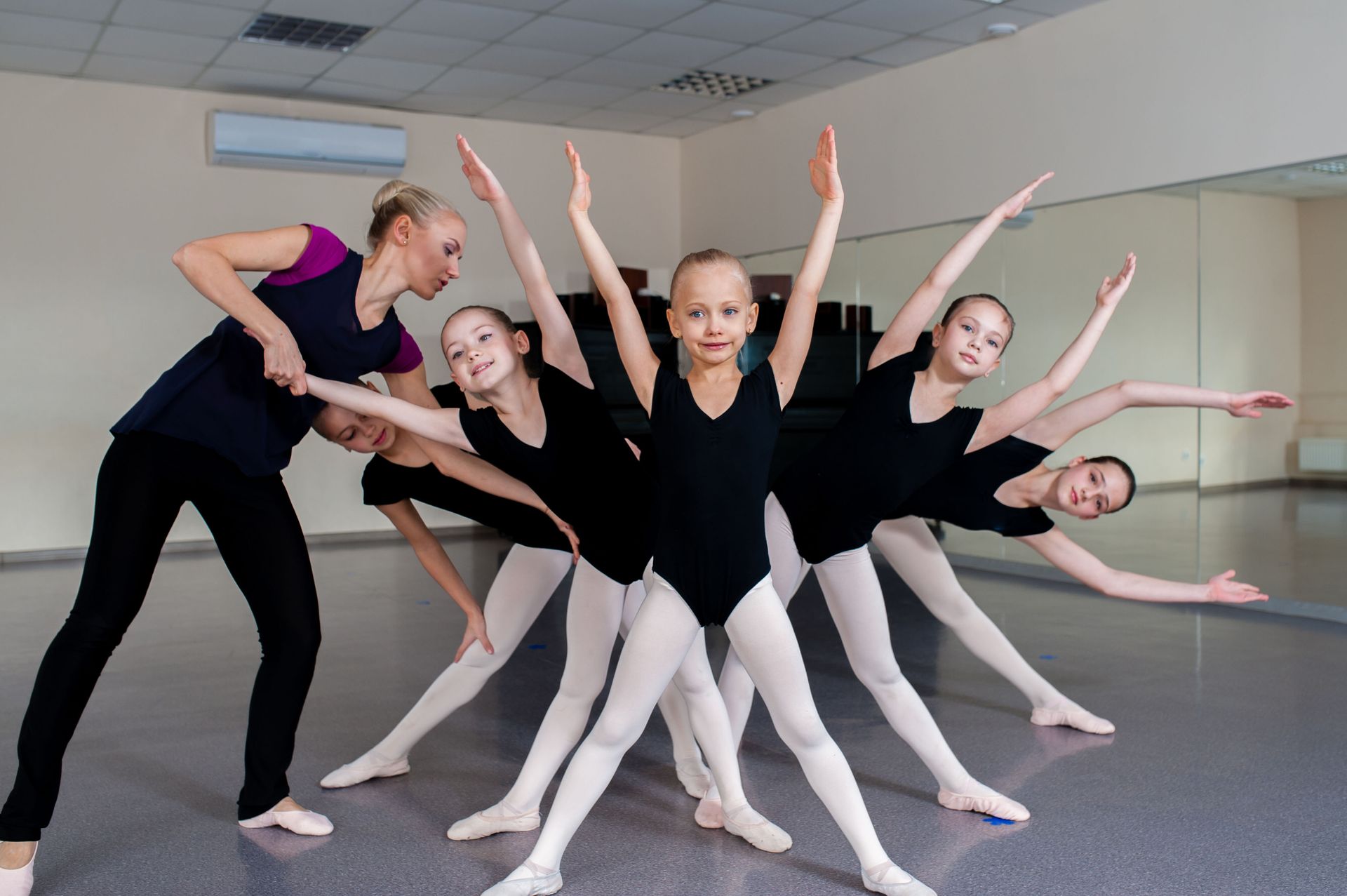
Ballet stands as the cornerstone of dance, with its roots stretching back to the Italian Renaissance courts. Known for its elegance and technical rigor, ballet provides an essential foundation for almost all dance forms. The discipline and precision required in ballet enhance coordination, posture, and grace, contributing to the overall skill set of any dancer. Whether one pursues ballet professionally or recreationally, this style builds a robust framework that supports a wide array of dance genres. Most importantly, the community within ballet promotes a sense of belonging and cultural appreciation.
For many aspiring dancers, understanding ballet can lead to profound personal growth and self-discipline. It empowers individuals to employ body movements as a form of storytelling, evoking emotions and fostering artistic expression. Ballet's influence extends far beyond the studio, informing disciplines such as contemporary and jazz with its methodologies. For those newly introduced to dance, undertaking ballet can offer clarity and refinement in movement. The skills acquired are transferable, encouraging exploration of other dance styles or even leading to a dance career fueled by a deep understanding of this foundational art.
Approximately 80% of dancers and choreographers are female, according to The Studio Director, which is indicative of ballet's broad appeal to women. However, the universality of ballet's principles attracts a diverse range of participants, irrespective of gender. Despite its demanding nature, ballet provides numerous psychological benefits, including improved concentration and emotional resilience. Aspiring ballet dancers benefit from nurturing environments where dedicated instructors cultivate an atmosphere of discipline and encouragement. Through ballet, one gains insight into the blend of athleticism and artistry that embodies dance.
Hip-Hop: Expressive and Energetic
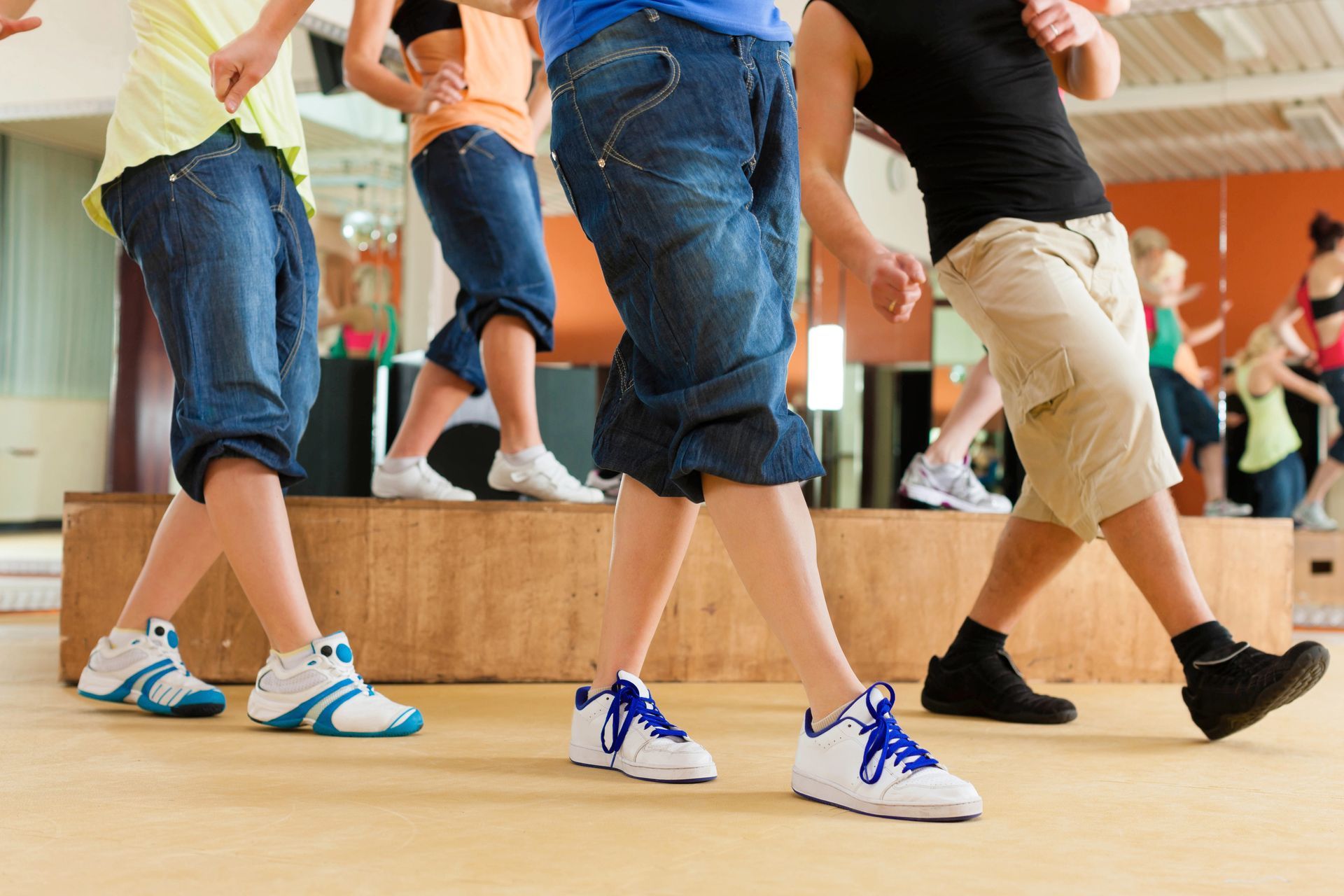
Hip-hop dance is a dynamic and vibrant style characterized by its emphasis on improvisation and personal expression. Originating from the streets of New York City, this genre ties deeply to hip-hop culture, encompassing elements of popping, locking, and breaking. The energy and creative flow inherent in hip-hop dance encourage participants to experience dance as a form of self-expression and cultural connection. By engaging in this dance style at a local dance studio, individuals build confidence through challenge and improvisation. Moreover, hip-hop culture fosters a sense of community, as dancers unite through shared support and collaboration.
Individuals engaging in hip-hop generally experience a boost in self-assurance and creativity. This mode of dance allows for experimentation with movement and music, crafting unique interpretative styles. Furthermore, the community nature of hip-hop dance is evident in group routines and freestyle sessions, providing dancers opportunities to offer and receive feedback. As dancers explore their creativity, they cultivate an environment of shared learning and progress, instrumental to personal development. Hip-hop's adaptability also supports cross-genre training, enriching the dancer's versatility and proficiency.
Participating in hip-hop dance nurtures social skills and fosters inclusivity among individuals of varied backgrounds. The spontaneous and free-flowing nature of the genre offers creative freedom, catalyzing connections and nurturing collaborative spirits. Many studios host jamming sessions and battles, providing platforms for dancers to share and hone their styles. These experiences expand horizons, introducing dancers to interdisciplinary settings and performance opportunities. Integrating hip-hop into one's dance repertoire contributes not only to physical fitness but also to a stronger sense of self-identity and confidence.
Salsa: Rhythm and Connection
Salsa dance radiates with energy and joy, known for its fast-paced and social nature. Originating in the Caribbean, salsa is steeped in cultural history, fusing Cuban and Puerto Rican musical rhythms with African and Spanish influences. As a partner dance, it relies on rhythm, coordination, and close contact between partners, promoting communication and connection. Through synchronized movements and dynamic spins, salsa provides participants with both aerobic benefits and a platform for social interaction. The vibrant community at a local dance studio can offer new friendships and networks centered around a shared love for the dance.
Beyond the physical, salsa dancing fosters mental agility and emotional well-being. The music's lively tempo invigorates, making practice sessions feel less like exercise and more like festive gatherings. These energetic sessions bring mental rejuvenation, aiding in stress relief and enhancing mood. Additionally, the collaborative elements encourage dancers to develop an intuitive understanding of non-verbal cues and partner dynamics. As proficiency in salsa grows, so does the confidence to participate in larger dance circles, promoting a lifelong engagement with dance.
Salsa floors hustle with diversity, accommodating dancers from varied experiences and expertise levels. This inclusivity makes salsa accessible to beginners and seasoned dancers alike, encouraging a continuous exchange of skills and creativity. Studios often conduct social dance nights, allowing individuals to practice their moves within a relaxed setting. Over time, these gatherings cultivate a sense of community, offering dancers opportunities for personal growth and artistic exploration. Embracing salsa dance can thus leave an indelible impact, grounding individuals in cultural awareness, social interaction, and enhanced physical fitness.
Finding the Right Dance Studio for You
Researching Local Dance Studios
Identifying the right local dance studio can redefine your learning experience, making initial research critical. Begin by utilizing online platforms such as Google Maps, Yelp, or specialized dance directories to collate a list of studios within your area. Social media pages and community forums can also provide insights into studio reputations, instructor qualifications, and student reviews. Engage with community members to gain understanding of local preferences and recommendations, and consult studio websites for detailed information on styles offered, instructor profiles, and class schedules. By cross-referencing these resources, potential dancers can make informed choices, aligning studio selections with personal goals.
Once a foundation of studio options is established, delve deeper into offerings by analyzing program structures and specializations. Studios often cater to varying skill levels, from beginner to advanced, ensuring an inclusive environment for diverse participants. Some may even offer trial classes, enabling potential students to gauge compatibility before commitment. Equally important is ensuring transparent communication with studio representatives to clarify any queries related to tuition, attire requirements, or terms of enrollment. Through comprehensive evaluation, dancers identify studios that resonate with their aspirations and logistical needs.
Consider the value of attending community events or open houses hosted by studios, as they offer firsthand insight into the studio atmosphere and teaching style. Networking at these events can provide additional insights into how the studio fosters personal growth and community involvement. Ultimately, a well-researched choice not only establishes the foundation of the student's dance journey, but also strengthens confidence in embarking on this exhilarating venture. Fostering an educational and supportive atmosphere, the right studio ensures dancers achieve their highest potential and fosters a lifelong passion for dance.
Visiting Studios: What to Look For
The act of visiting a local dance studio holds immense value in the decision-making process, providing tangible insights into facilities, environments, and teaching methodologies. Observing live classes and instructor interactions gives potential students a sense of the studio culture and dynamic. Gauge the cleanliness, facilities, and condition of dance floors, ensuring they meet safety and hygiene standards. Attention to these details is crucial, as they directly influence the learning experience and overall enjoyment of dance. Beyond logistics, consider the ambiance and vibe, determining how it aligns with your personal motivation and learning preferences.
Interactions with instructors and current students during visits reveal insights into the quality and nature of teaching. Observe instructor styles, communication methods, and their rapport with students, assessing whether their instructional philosophy aligns with your learning style. Inquire about class sizes, as smaller groups typically ensure more individualized attention and faster skill development. Pose questions regarding feedback mechanisms and assessment criteria, which contribute to personal growth and progression. Consider how well the instructional approach integrates discipline, encouragement, and innovation, thus nurturing both confidence and skill acquisition.
Engage with fellow students to obtain firsthand accounts of their experiences within the studio community. Such interactions can elucidate the level of camaraderie and supportiveness students experience, enhancing the learning journey. Gauge how studios accommodate diverse skill levels and foster inclusivity, significantly impacting personal and academic growth. Accept trial classes if offered to experience the teaching style, class structure, and atmosphere firsthand. By intertwining personal observations with intuitive judgments, potential students can identify studios that align with their artistic goals and personal values.
Instructor Qualifications and Teaching Style
The choice of instructor at a local dance studio significantly influences the quality of the dance learning experience. Investigating instructor qualifications, such as certifications and professional experience, ensures students receive high-quality training tailored to industry standards. The expertise of dance instructors can be evaluated through their educational background, performance history, or specialized training seminars. Moreover, seek instructors who actively participate in professional development or dance events, indicative of a commitment to continuously refine their skills. As dance education is highly interactive, instructors should possess both technical expertise and the ability to foster motivation and engagement within students.
Instructor motivation and teaching style directly impact student engagement, retention, and development. Observe instructors' teaching methodologies during classes, noting their ability to balance technical instruction with creativity and innovation. Diverse teaching styles can enhance individual learning experiences, encouraging students to develop a broad understanding of dance styles and techniques. Consider instructors' emphasis on positive reinforcement, patience, and adaptability, which cultivates a nurturing classroom environment. Effective instructors are not mere facilitators but mentors who inspire, guide, and challenge students to push beyond their comfort zones and achieve their potential.
Evaluation of teaching styles also extends to understanding how instructors build rapport with students and address individual needs. A tailored approach engenders inclusivity, ensuring personalized attention and assistance throughout the learning process. Analyzing instructors' knowledge of choreography and improvisation also provides insight into their capability to offer comprehensive dance education. Successful instructors strike a balance between technical precision, creative exploration, and personal support, creating a holistic educational experience. By considering these attributes, students can select instructors whose pedagogical philosophy and approach resonate with their artistic aspirations and personal preferences.
Class Schedules and Flexibility
Class schedules play a pivotal role in shaping the dance experience, determining how seamlessly dance integrates into daily life. Evaluate local dance studio class schedules to ensure alignment with personal commitments, avoiding potential conflicts with work, school, or family obligations. Consider studios offering flexible scheduling arrangements, such as makeup classes or varied time slots, which accommodate diverse participant lifestyles. An ideal schedule optimizes time management, enabling students to prepare mentally and physically for dance sessions. Moreover, consistent class attendance facilitates consistent skill improvement, a sense of routine, and familiarity with class dynamics.
Assessing schedule flexibility also involves examining whether studios offer diverse dance styles, instructors, or levels of intensity. Comprehensive offerings ensure participants explore different genres, broadening their skill set and experience. Varied class types, including technique sessions, conditioning, or choreography, enrich the dance curriculum and contribute to well-rounded development. Furthermore, studios offering continuous engagement through events or workshops ensure students access unique learning opportunities, contributing to personal growth. Such opportunities cultivate ownership over learning, allowing dancers to pursue individualized paths and make informed choices within their dance journey.
Beyond static scheduling, explore studios that include auxiliary options such as drop-in classes or private lessons. Drop-in classes provide a taste of different styles without commitment, appealing to individuals seeking diversity or supplementary education. Private lessons cater to personalized development, targeting specific skills or performance preparation in a one-to-one setting. These offerings underscore studio adaptability, allowing students to navigate dance within personal and logistical capacities. By examining scheduling flexibility, dancers are better positioned to balance external responsibilities and maximize their dance learning journey.
Embarking on a dance journey is a transformative experience that nurtures physical health, emotional well-being, and a profound sense of community. Whether you are drawn to the disciplined elegance of ballet, the vibrant energy of hip-hop, or the rhythmic connection of salsa, finding a local dance studio that aligns with your personal and logistical needs is the crucial first step. By taking the time to research local options, visit facilities, evaluate instructor qualifications, and prioritize schedule flexibility, you empower yourself to make a confident, informed choice. The right dance studio does more than simply teach technique; it provides a supportive sanctuary where your creativity can flourish, your skills can develop, and your confidence can soar as you step onto the dance floor. Come to Pennsylvania Academy of Dance Arts today to get started.