October 15, 2026
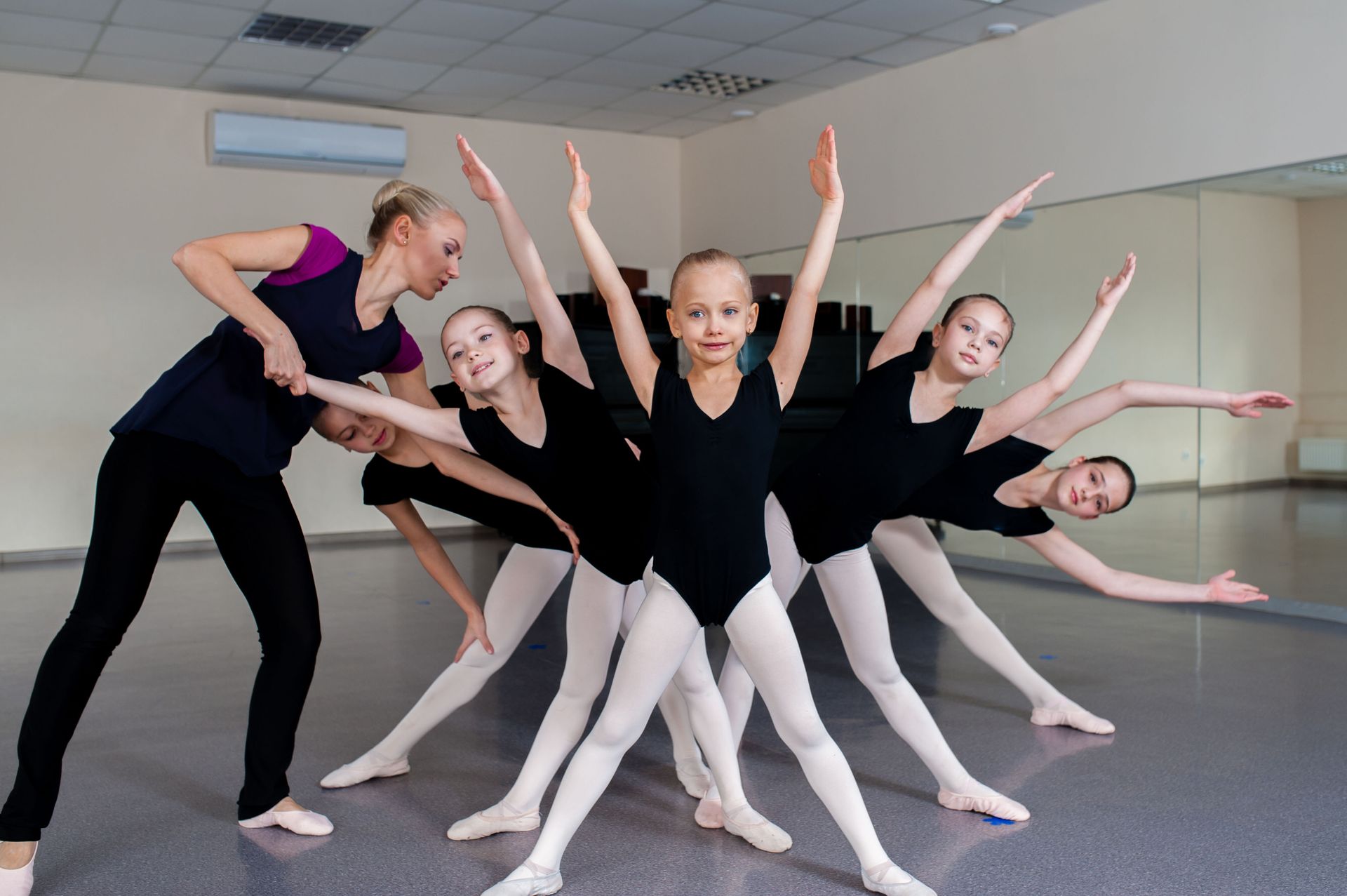
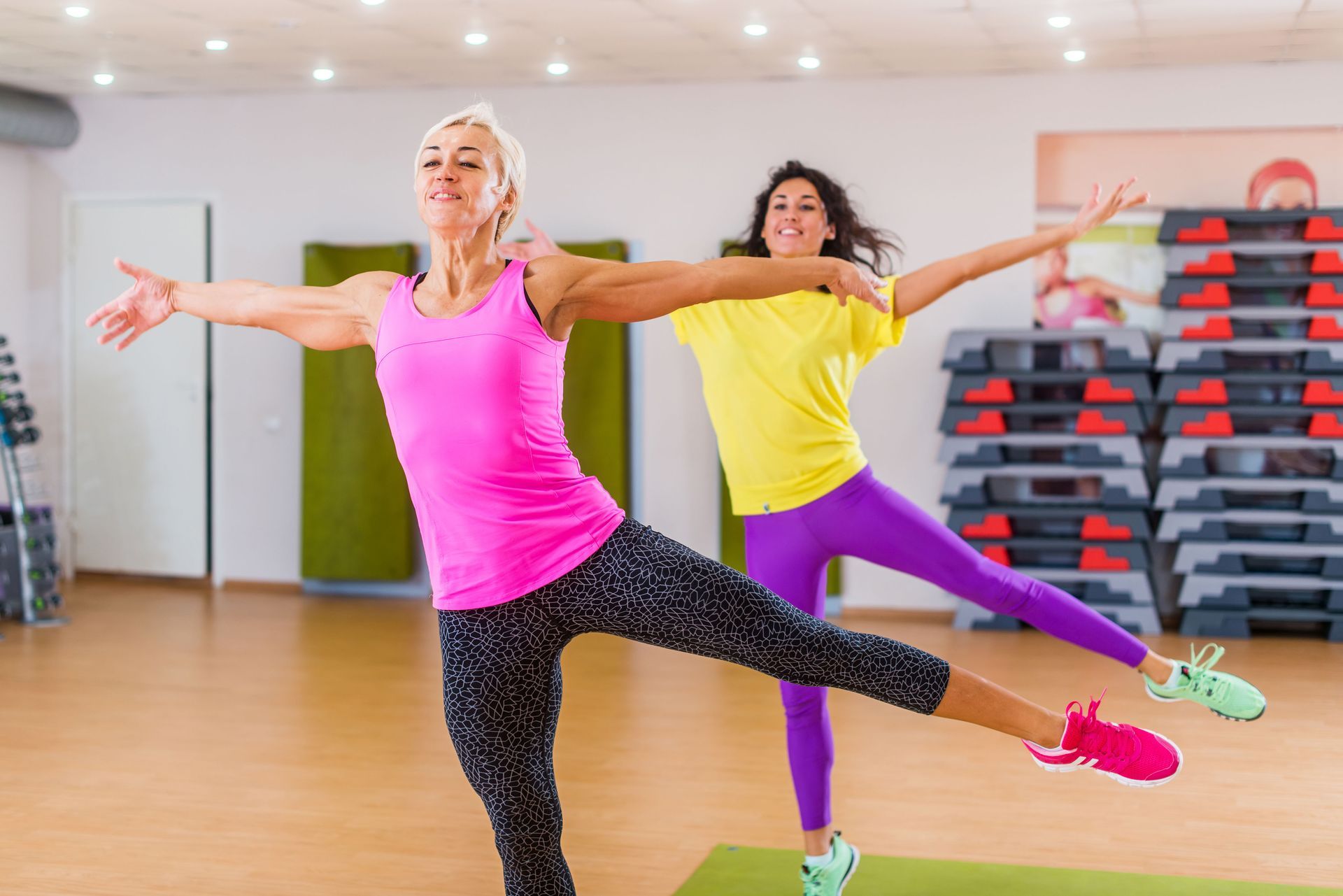
Dance studios offer more than just lessons in technique and choreography; they are vibrant spaces where individuals can develop important life skills. Participating in dance helps build confidence and foster creativity among dancers of all ages. From individual growth to community participation, the benefits of dance extend beyond physical movement to enrich the mind and spirit. Dance education offers valuable lessons in self-awareness, resilience, communication, and artistic expression. These experiences encourage individuals to discover their strengths while developing skills that support personal growth. Understanding these benefits demonstrates how structured dance instruction can positively influence different aspects of everyday life.
The Role of Dance in Personal Development
Dance begins with individual experiences that encourage self-awareness and personal development. As dancers engage with their bodies and master different techniques, they become more attentive to their movements, posture, and physical capabilities. This awareness can improve body confidence and encourage a positive self-image. Regular practice also allows individuals to establish realistic goals and work toward achieving them. Whether learning basic steps or advanced choreography, dancers develop discipline and patience through consistent effort. These qualities can strengthen their ability to approach unfamiliar challenges with determination.
Building physical and mental resilience is another important benefit of continued dance education. Rehearsals require concentration, stamina, and persistence, particularly when mastering complicated routines. Dancers gradually learn to manage frustration and recognize mistakes as opportunities for improvement. Dance studios create structured environments where participants can develop these abilities through supportive instruction. Over time, overcoming challenges helps dancers establish greater confidence in their capabilities and encourages a willingness to pursue new experiences.
Developing Emotional Awareness and Expression
Dance provides opportunities for individuals to communicate emotions through movement rather than words. Music, rhythm, and choreography allow dancers to explore feelings and express personal experiences creatively. This artistic outlet can be particularly valuable for individuals who struggle to communicate their emotions verbally. Through movement, dancers develop a stronger understanding of how emotions influence their physical expression and artistic choices.
Instructors frequently encourage participants to interpret music and communicate its meaning through facial expressions, gestures, and body language. These exercises promote emotional awareness while helping dancers develop confidence in expressing themselves. Creative movement can also provide a constructive way to manage everyday stress and encourage relaxation. As dancers become comfortable expressing emotions, they may develop greater empathy and sensitivity toward the experiences of others.
Building Confidence Through Mastery and Performance
Performing before an audience can initially feel intimidating, especially for beginners. However, regular rehearsals and performance opportunities gradually help dancers become more comfortable with public attention. Each successful presentation reinforces their ability to manage nervousness and demonstrate their skills. Dance studios often organize recitals, showcases, and competitions that allow participants to celebrate their progress in encouraging environments.
Personal accomplishments also contribute to stronger self-esteem. Mastering difficult choreography, improving technique, or completing a performance can create meaningful feelings of achievement. Recognition from instructors and fellow dancers reinforces the importance of dedication and persistence. Constructive feedback further encourages growth by helping individuals identify strengths and areas requiring improvement. Learning to accept guidance without becoming discouraged builds confidence that can extend into academic, professional, and social situations.
Encouraging Creativity Through Artistic Exploration
Dance encourages individuals to experiment with movement and develop their artistic identities. Improvisation exercises allow dancers to explore unfamiliar techniques, interpret musical patterns, and create original movement combinations. These activities strengthen imagination while encouraging participants to approach artistic challenges from different perspectives. A supportive learning environment helps individuals feel comfortable experimenting without worrying excessively about making mistakes.
Creating original choreography also develops problem-solving and critical-thinking abilities. Dancers must consider timing, spatial arrangements, transitions, and musical interpretation when designing routines. Many dance studios encourage students to contribute ideas during creative exercises and collaborative performances. This involvement provides opportunities for artistic independence while teaching participants how to transform imaginative concepts into coordinated movements. According to UCLA Health, 98% of dancers surveyed reported improved moods through dancing, highlighting its potential emotional benefits.
Exploring Different Dance Styles and Techniques
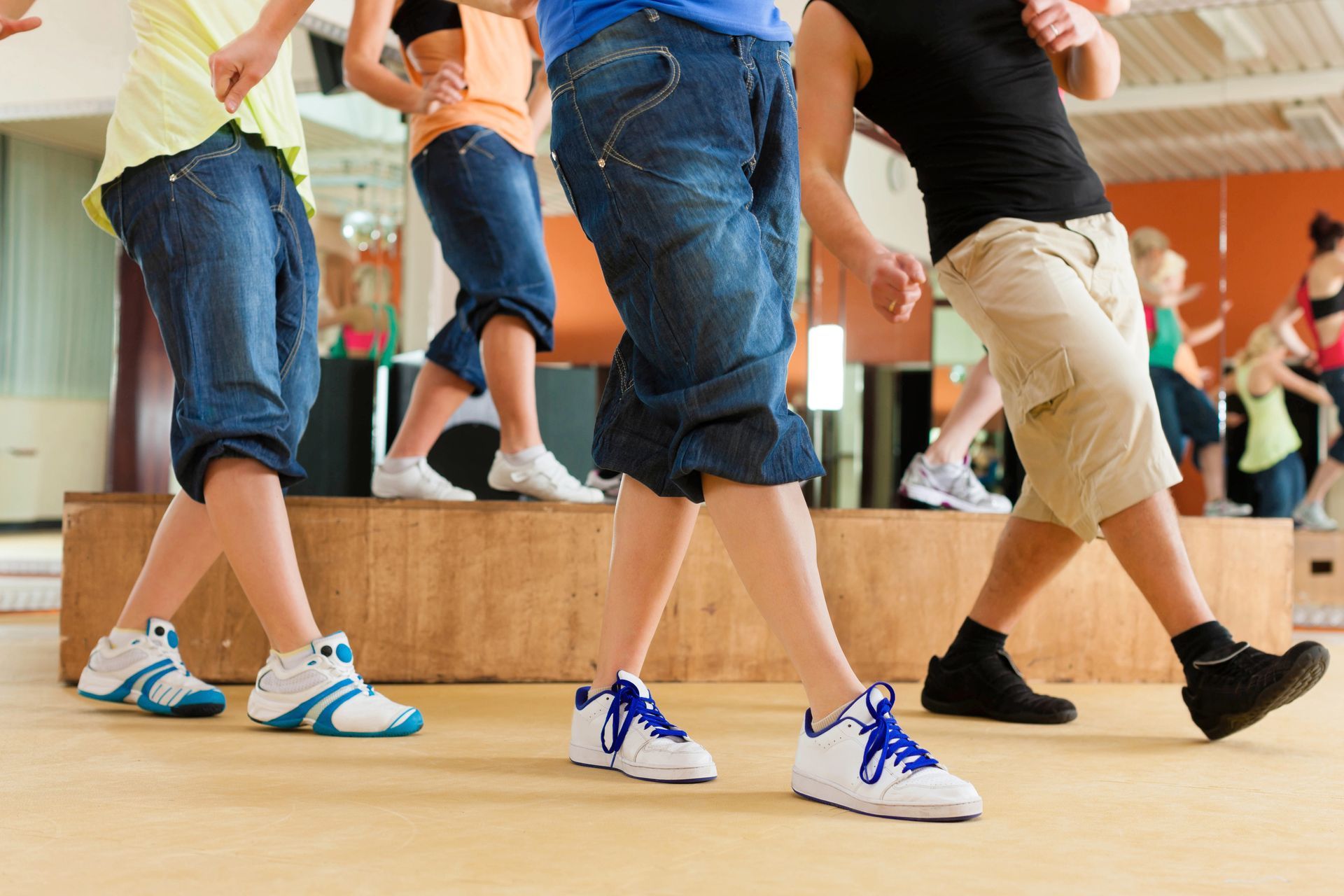
Exposure to different dance genres expands creative possibilities and strengthens technical versatility. Ballet emphasizes alignment, precision, and controlled movement, while contemporary dance encourages expressive interpretation and experimentation. Hip-hop introduces rhythmic complexity and individual style, whereas jazz combines energetic movement with performance techniques. Exploring these approaches allows dancers to discover their preferences while developing a broader movement vocabulary.
Learning unfamiliar styles also encourages adaptability and openness to new experiences. Students must adjust their movements, timing, and artistic interpretations to meet different technical expectations. This process challenges established habits and encourages flexible thinking. Combining techniques from multiple genres can inspire innovative choreography and distinctive performances. As dancers gain experience, they become better equipped to express complex ideas through movement.
Strengthening Social Connections and Teamwork
Dance studios provide opportunities for individuals to build friendships and develop meaningful connections with others who share similar interests. Group lessons encourage interaction, cooperation, and mutual encouragement. These experiences create supportive communities where dancers can celebrate accomplishments and navigate challenges together. Participating in collaborative activities also helps individuals develop communication skills and become more comfortable interacting with different personalities.
Successful group choreography depends on trust, coordination, and shared responsibility. Every participant must understand their role while remaining attentive to the movements of others. Rehearsals teach dancers to listen carefully, communicate respectfully, and adjust their actions when necessary. These experiences reinforce accountability and demonstrate how individual contributions influence collective success. Strong teamwork skills developed through dance can benefit participants in classrooms, workplaces, and community activities.
Learning Respect and Conflict Resolution
Working closely with others sometimes introduces differences in opinions, learning preferences, and artistic interpretations. Dance education provides opportunities to address these differences constructively. Instructors can guide students toward respectful communication while encouraging them to consider alternative perspectives. Learning to accept creative suggestions and negotiate decisions helps dancers develop patience and understanding.
Collaborative rehearsals also teach participants to recognize the importance of fairness and inclusion. Dancers learn that every group member contributes valuable abilities and experiences. Supporting classmates who are struggling with choreography encourages compassion and strengthens relationships. These interpersonal lessons help create welcoming environments where individuals feel respected and motivated to participate.
Celebrating Cultural Diversity and Personal Identity
Dance reflects cultural traditions, historical experiences, and artistic practices from communities around the world. Exploring different styles introduces students to diverse musical traditions, movement techniques, and storytelling methods. Dance studios may incorporate cultural workshops, guest instructors, and performances that encourage appreciation for various artistic backgrounds. These experiences help participants recognize how movement communicates cultural values and preserves meaningful traditions.
Dance also provides opportunities for individuals to explore their personal identities and heritage. Through choreography, performers can communicate stories inspired by family traditions, cultural experiences, or important life events. Sharing these interpretations encourages understanding and appreciation among fellow dancers. Respectful cultural education emphasizes the historical significance of different styles while recognizing the communities responsible for developing them. This approach supports inclusivity and encourages thoughtful artistic exploration.
Dance studios serve as welcoming environments where individuals can develop confidence, creativity, resilience, and valuable social skills. Through structured instruction, artistic exploration, and collaborative experiences, dancers discover abilities that influence their lives beyond performances and rehearsals. The combination of physical activity, emotional expression, and cultural appreciation makes dance a meaningful form of personal enrichment. Whether pursuing professional opportunities or enjoying recreational classes, participants can develop lasting skills that support personal growth, community involvement, and lifelong creative expression. Contact our team at Pennsylvania Academy of Dance Arts today and learn more about our dancing lessons.