August 17, 2026
Choosing the proper artistic environment for physical education represents a significant milestone for aspiring performers and supportive parents alike. Embarking on a creative movement journey brings immense physical, mental, and emotional benefits that enhance daily living across every stage of life. However, navigating local instruction options can feel overwhelming without a clear understanding of what defines educational excellence. Finding a high-quality dance school requires careful observation of facility safety, teaching credentials, class variety, and overall community atmosphere. When students enroll in a supportive institution that prioritizes proper technique alongside personal growth, they develop valuable discipline, physical coordination, and creative expression. Evaluating core criteria before making a final commitment ensures an enriching educational experience that fosters a lasting passion for movement arts.
Evaluating Instructor Qualifications And Backgrounds
The heart of any successful training program rests within the expertise, passion, and preparation of the faculty members guiding each lesson. Highly qualified educators possess a rich blend of formal collegiate dance education, professional performance history, and specialized pedagogical certification. When researching a dance school, prospective families should inquire about the background of the teaching staff to ensure instructors understand anatomical movement principles and age-appropriate instructional techniques. Teachers who continuously pursue professional development stay informed about modern safety practices, effective conditioning methods, and evolving artistic trends. Receiving guidance from skilled mentors ensures that students learn proper foundational technique while minimizing the risk of physical strain or injury.
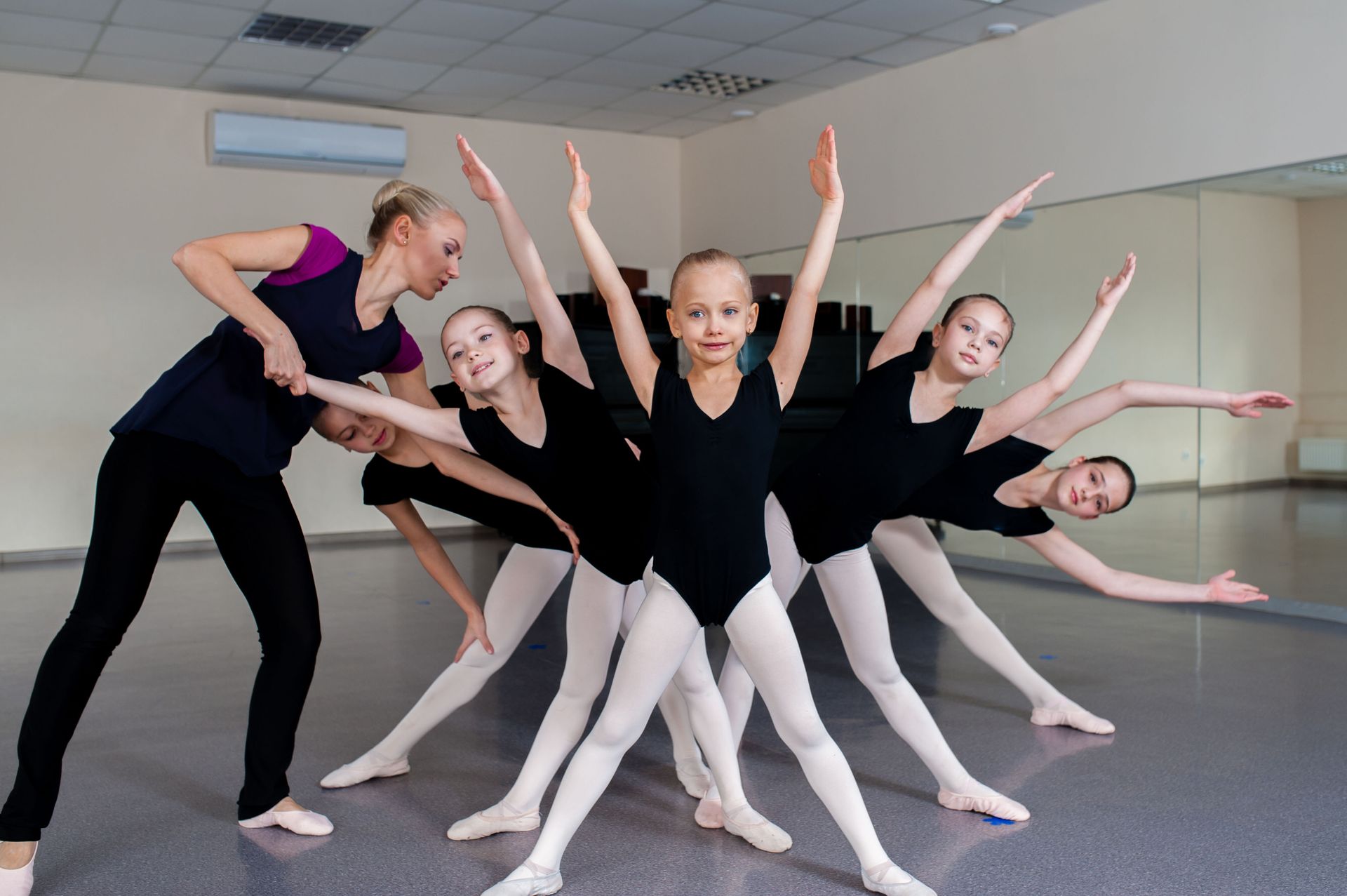
Beyond technical credentials, exceptional educators demonstrate enthusiasm for nurturing student potential constructively and encouragingly. Effective teachers possess the patience required to break down complex movement combinations into manageable learning steps suited for various learning styles. They offer constructive feedback that inspires students to overcome technical challenges while celebrating individual progress along the way. Observing a live session or scheduling a consultation provides valuable insight into how instructors interact with participants during regular practice. An empowering instructional team fosters a positive atmosphere where dancers feel comfortable taking creative risks and developing strong technical discipline.
Assessing Studio Facilities And Safety Standards
The physical environment where lessons occur plays a crucial role in protecting participant health and facilitating technical mastery over time. Superior educational spaces feature specialized sprung subfloors topped with high-quality vinyl or finished hardwood surfaces engineered to absorb impact shock. Dancing on unyielding surfaces like concrete or thin laminate over hard subfloors subjects joints, bones, and muscles to severe stress that leads to repetitive strain injuries. Inspecting the physical premises of a dance school ensures that the instruction space includes spacious layouts, high ceilings, full-length wall mirrors, and properly mounted ballet barres that support alignment practice.
Environmental cleanliness, proper ventilation, and comprehensive emergency protocols represent additional indicators of a well-managed educational facility. Clean instructional rooms, well-maintained waiting areas, and sanitized restroom spaces reflect a genuine commitment to student well-being and institutional professionalism. Adequate temperature control keeps physical muscles warm during active movement routines, reducing the likelihood of muscle pulls or cramps during intense technical exercises. Asking about facility maintenance schedules, emergency medical supply availability, and staff CPR certification helps families feel confident in the safety standards maintained by the organization.
Reviewing Class Variety And Skill Levels
A comprehensive curriculum offering a diverse array of movement styles allows students to explore different artistic traditions and discover unique creative interests. Quality institutions provide structured training in foundational disciplines such as classical ballet, contemporary movement, jazz technique, tap, and hip hop styles. Accessing varied movement genres enables participants to build versatile physical coordination, musical adaptability, and broad stylistic understanding. Choosing a well-rounded dance school ensures that students can sample multiple artistic avenues without needing to transfer between different local facilities as their interests expand.
Proper skill level placement represents another vital component of a structured and effective educational environment. Progressive level divisions ensure that students train alongside peers with similar physical capabilities and comprehension levels, preventing feelings of frustration or burnout. Clear advancement benchmarks allow participants to understand technical requirements and track personal development throughout each academic term. Institutions that conduct initial skill evaluations help place new students in appropriate levels where they can build confidence, master foundational skills, and progress safely at a healthy pace.
Examining Studio Culture And Community Atmosphere
The overarching social culture within a learning environment deeply influences emotional well-being, motivation levels, and personal artistic growth. A nurturing community emphasizes mutual respect, inclusivity, team support, and positive encouragement among all enrollment age groups. According to the National Library of Medicine, a study of 225 dance participants found that 93% said dance boosted their self-confidence. Surrounding students with encouraging peers and supportive faculty members helps translate physical artistic training into profound personal self-belief that extends far beyond the studio walls into everyday life challenges.
Evaluating the social climate involves observing how current students interact with each other during class transitions and rehearsal sessions. A welcoming atmosphere encourages friendly communication, collaborative learning, and shared artistic joy rather than toxic internal competition or social exclusion. Prospective families should feel genuinely welcomed by administrative staff and faculty members upon visiting the location. Finding a supportive dance school that aligns with family values cultivates a true sense of belonging, making weekly training sessions an exciting and rewarding part of the routine.
Checking Performance Opportunities And Showcase Schedules
Stage performance opportunities serve as powerful milestones that allow students to showcase accumulated technical growth and celebrate artistic achievement. Preparing for formal recitals, annual showcases, or local community events teaches valuable lessons regarding stage presence, teamwork, spatial awareness, and performance poise. Performing live before an appreciative audience helps dancers overcome stage apprehension and experience the pure joy of sharing movement art with others. Inquiring about performance schedules at a prospective dance school helps families understand the scope and expectations associated with upcoming stage events throughout the year.
Along with evaluating performance availability, families must consider financial and time commitments required for recital participation. Transparent institutions provide clear information regarding costume purchases, ticket costs, rehearsal schedules, and potential competition fees well in advance. Furthermore, exemplary programs maintain a healthy balance between regular technical class instruction and performance rehearsal preparation. Prioritizing ongoing technique refinement alongside showcase preparation ensures that students continue developing core physical skills rather than simply memorizing repetitive routine choreography all year long.
Considering Class Sizes And Individual Attention
The number of students enrolled within a single instructional session directly affects the amount of personal guidance each participant receives. Lower student-to-teacher ratios enable instructors to observe individual physical movement execution, offer timely posture corrections, and adapt exercises to specific learning needs. In overly crowded environments, subtle technical errors can easily go unnoticed, leading to improper muscle memory development or physical discomfort. Choosing a dance school that maintains thoughtful enrollment limits ensures that every student benefits from direct teacher interaction and individualized technical guidance.
Focused instructional attention accelerates skill acquisition while helping dancers feel valued and recognized as unique individuals. Small-group settings create an intimate environment where instructors can provide tailored feedback that addresses specific technical strengths and areas for development. Furthermore, modest class sizes foster stronger interpersonal connections between students and educators, building a supportive network of mutual encouragement. Evaluating enrollment policies helps families confirm that their chosen instruction space prioritizes individual artistic development over high-volume student numbers.
Choosing the ideal environment for physical artistic education requires careful consideration of instructor qualifications, facility safety standards, comprehensive curriculum offerings, positive social culture, and reasonable class sizes. Taking time to visit prospective facilities, observe active lessons, and converse with administrative personnel empowers families to make confident decisions tailored to specific artistic goals. A high-quality training center provides far more than physical exercise, serving as a vibrant space where confidence, creative expression, discipline, and lifelong friendships flourish. When you are ready to experience top-tier instruction within a warm, inspiring, and professional environment, contact Pennsylvania Academy of Dance Arts.