August 13, 2026
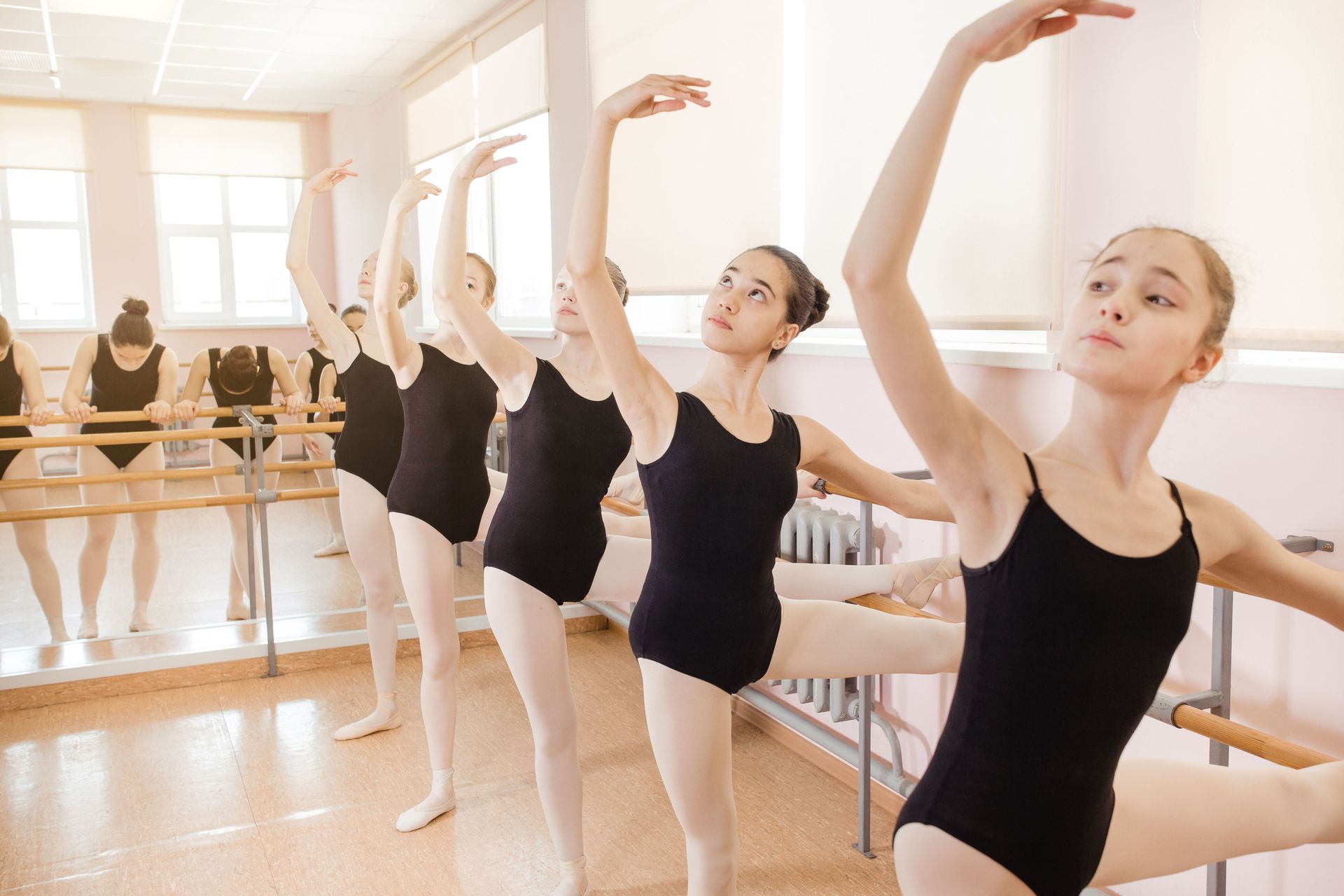
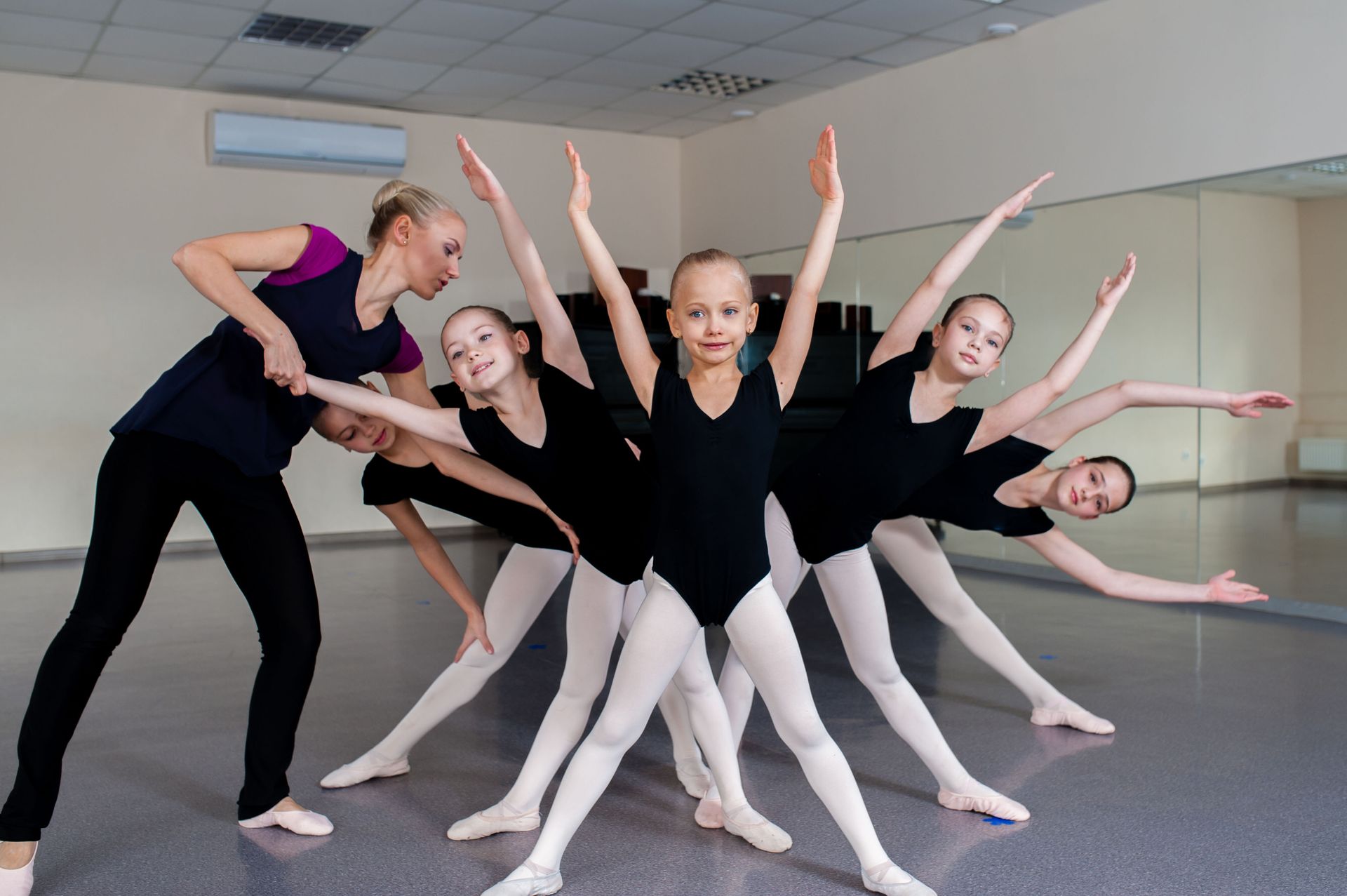
Dance offers much more than learning steps and performing routines. Children often develop habits and personal qualities that continue to benefit them at school, at home, and in social settings. Through structured instruction, regular practice, and positive encouragement, they can gain valuable experiences that shape both personal and social development. This article explores some of the valuable life skills children can develop through regular participation in a dance studio and how these experiences support growth beyond the classroom while encouraging confidence, responsibility, creativity, and lifelong learning.
Building Confidence Through Achievement
Every child experiences moments of uncertainty while learning something new. Dance encourages children to keep practicing, even when movements feel challenging at first. As they improve over time, they begin to recognize what steady effort can accomplish. According to the National Library of Medicine, a study of 225 dance participants found that 93% said dance boosted their self-confidence. This finding highlights how participating in dance can positively affect the way children see themselves. Feeling more confident often carries into school, friendships, and other activities where children are encouraged to participate and express themselves.
A dance studio provides an environment where children can celebrate personal progress instead of focusing only on perfect performances. Small accomplishments often build into greater confidence over time. Children also learn that mistakes are a normal part of learning. Receiving encouragement from instructors and celebrating gradual improvement can help them become more willing to try new challenges without feeling discouraged by setbacks.
Developing Strong Communication Skills
Dance involves much more than movement. Children learn to listen carefully, observe demonstrations, follow instructions, and communicate with teachers and classmates throughout each lesson. Group activities encourage children to work together while respecting personal space and supporting one another during practice. They also learn how body language, facial expressions, and movement can communicate emotions without speaking.
As children become more comfortable participating in class, they often gain confidence when interacting with others in different settings. A dance studio gives young dancers regular opportunities to practice communication in positive and encouraging ways. Positive communication also includes learning respect and encouragement. Children often celebrate one another's progress, offer support during group activities, and become more comfortable participating in conversations with both adults and peers.
Improving Focus During Learning
Learning choreography requires concentration. Children must remember movement patterns, musical timing, and transitions while paying attention to their surroundings. Developing these habits can strengthen attention skills that are useful in many areas of daily life. Staying focused during instruction helps children complete tasks more effectively and become more comfortable following multi-step directions.
Practice also teaches patience. New routines are rarely mastered in one lesson, so children learn the value of returning to a skill until it becomes familiar. A dance studio encourages consistent participation that supports these habits over time. These concentration skills can carry into everyday routines. Paying attention, following directions, and staying engaged during activities are valuable habits that may support learning in many different environments.
Strengthening Responsibility Every Week
Responsibility develops through repeated routines. Attending classes regularly, arriving prepared, and participating during lessons all help children understand the importance of commitment. Children also learn that progress depends on consistent effort. Missing classes or becoming distracted during instruction may affect their ability to keep up with new choreography and group activities.
These experiences introduce accountability in a supportive environment. A dance studio provides regular opportunities for children to practice meeting expectations while becoming more independent as they grow. Regular participation also helps children understand the importance of following through on commitments. Developing dependable routines at an early age can create habits that continue to benefit them as responsibilities grow over time.
Encouraging Teamwork With Others
Although dance includes individual growth, many classes involve group routines and shared performances. Children quickly discover that everyone plays a role in helping the group succeed. Working together teaches cooperation, respect, and consideration for others. Students learn to stay aware of spacing, timing, and coordination while performing alongside classmates.
These experiences can strengthen social skills that extend beyond dance. Learning to contribute as part of a group helps children become better classmates, teammates, and friends. A dance studio creates many opportunities for children to practice working toward shared goals. Working alongside different classmates also teaches flexibility. Children learn how to adapt to changing groups, support one another during practice, and appreciate the value of cooperation while working toward a common goal.
Expanding Creativity Through Movement
Dance gives children an opportunity to express ideas through movement while exploring different styles of music and choreography. Creative activities encourage imagination and allow children to discover new ways of communicating. Some lessons include opportunities for students to interpret music, create short movement combinations, or explore different ways to perform familiar steps. These activities encourage flexible thinking and creative problem-solving.
Creative expression also allows children to build confidence in their own ideas. A dance studio provides a welcoming setting where creativity can continue to develop alongside technical skills. Creative activities can also encourage children to become more confident in expressing themselves. Having opportunities to explore movement in different ways allows each child to develop a unique sense of style while continuing to learn.
Practicing Persistence Through Challenges
Every child encounters difficult movements or routines that require extra practice. Learning how to approach these challenges with patience is one of the most valuable lessons dance can provide. Progress often happens gradually. Children begin to understand that improvement comes from consistent participation rather than immediate success. This mindset can help them approach academic work, sports, and other activities with greater determination.
Overcoming obstacles also helps children recognize their own growth. A dance studio encourages persistence by providing new goals that become achievable through regular effort and continued learning. Learning to remain patient during difficult moments can build resilience. Children often discover that steady effort produces meaningful results, helping them approach future challenges with a more positive outlook.
Preparing for Success Beyond Childhood
Many of the lessons learned through dance continue long after children leave the classroom. Confidence, responsibility, communication, focus, and teamwork are qualities that remain valuable throughout life. Children who regularly participate in structured activities often become more comfortable adapting to new situations, setting goals, and working with others. These skills can support success in school, future careers, and personal relationships.
Parents often choose organized activities because they offer opportunities for both personal development and enjoyable experiences. A dance studio can provide a setting where children continue building life skills while participating in an engaging activity they enjoy. As children continue participating over time, these experiences often become part of their everyday approach to learning and personal growth. The habits developed through dance can continue supporting them as they encounter new goals and responsibilities throughout life.
Dance is about much more than learning routines. It encourages confidence, responsibility, communication, creativity, teamwork, persistence, and focus through regular participation and positive instruction. These qualities often become valuable life skills that support children as they grow and face new opportunities in school, extracurricular activities, future careers, and everyday life. The lessons learned through dance can continue influencing how children approach challenges, build relationships, and pursue personal goals for years to come. If you are looking for a welcoming dance studio where children can build valuable life skills while enjoying dance, Pennsylvania Academy of Dance Arts offers programs that encourage growth, creativity, confidence, and a lifelong appreciation for movement in a positive and supportive learning environment. Contact us today to learn more about our dance classes!