November 17, 2026
Stepping into an artistic movement discipline can transform your everyday routine, boost physical energy, and renew creative expression. Many individuals feel a strong, natural pull toward rhythm and melody yet hesitate because finding a suitable studio atmosphere feels overwhelming. Selecting proper dance lessons requires looking closely at personal ambitions, daily commitments, and physical abilities to ensure steady personal fulfillment. When you understand your core reasons for wanting to dance, finding the right instructional path becomes much simpler.
When instructional programs align with personal intentions, practice becomes a rejuvenating escape rather than another chore. The ideal training setting provides encouragement, thoughtful guidance, and a welcoming community that embraces curious beginners alongside seasoned performers. Clarifying personal motivations establishes a strong foundation for artistic exploration and athletic longevity. Taking the initiative to evaluate your needs will ensure you remain inspired throughout your entire educational journey.
Clarify Personal Aspirations
Pinpointing what inspires you to move represents the foundation of any fulfilling training journey. Some participants seek rigorous athletic conditioning, while others crave creative release, stress relief, social connection, or graceful stage presence. Recognizing your primary desire helps narrow down training formats, ensuring each studio visit brings genuine satisfaction and purpose. When your goals are clearly defined, instructors can better tailor their feedback to support your unique trajectory.
Creative goals often shift as technical proficiency deepens, so remaining open to evolving aspirations matters immensely. Enrolling in beginner dance lessons provides an exploratory space to experiment with musicality and bodily awareness before committing to a singular discipline. Knowing what sparks joy keeps commitment strong through demanding practice sessions. Regular reflection allows you to adjust your focus whenever your artistic curiosities expand into new directions.
Setting realistic milestones also prevents early frustration and builds lasting momentum. Dancing requires patience, muscle memory development, and coordination that takes consistent effort to refine. Celebrating small victories, such as mastering a tricky combination or improving posture, reinforces confidence. When you align expectations with current capabilities, each milestone becomes a source of genuine pride and motivation.
Explore Diverse Movement Styles
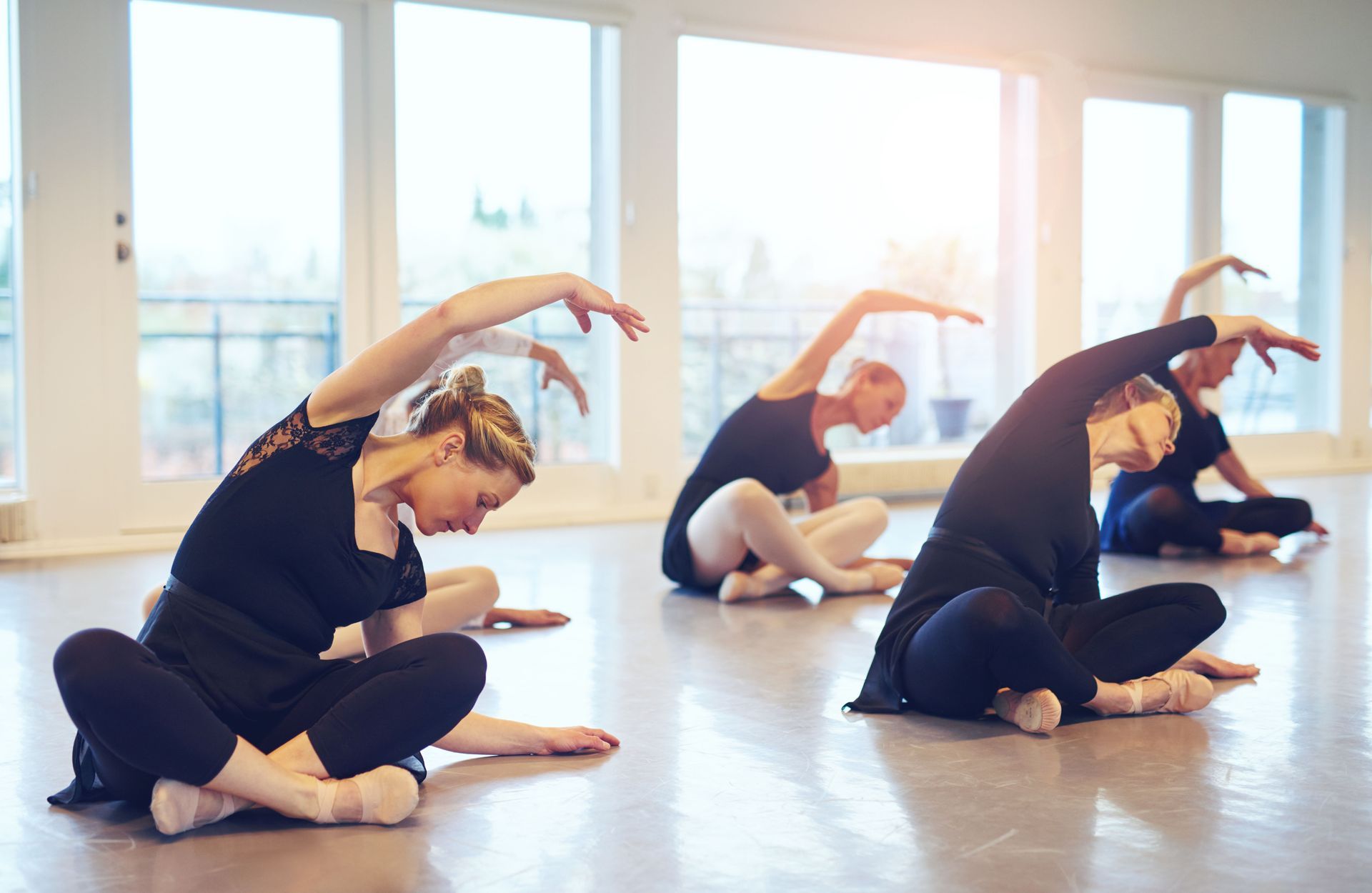
Every discipline offers unique traditions, technical demands, and musical pairings that shape the student experience. Classical ballet emphasizes precision, structural alignment, and quiet strength, creating an exceptional foundation for posture, balance, and control. In contrast, modern and contemporary genres invite fluid storytelling, floor work, and release-based choreography that celebrate individuality and emotional depth.
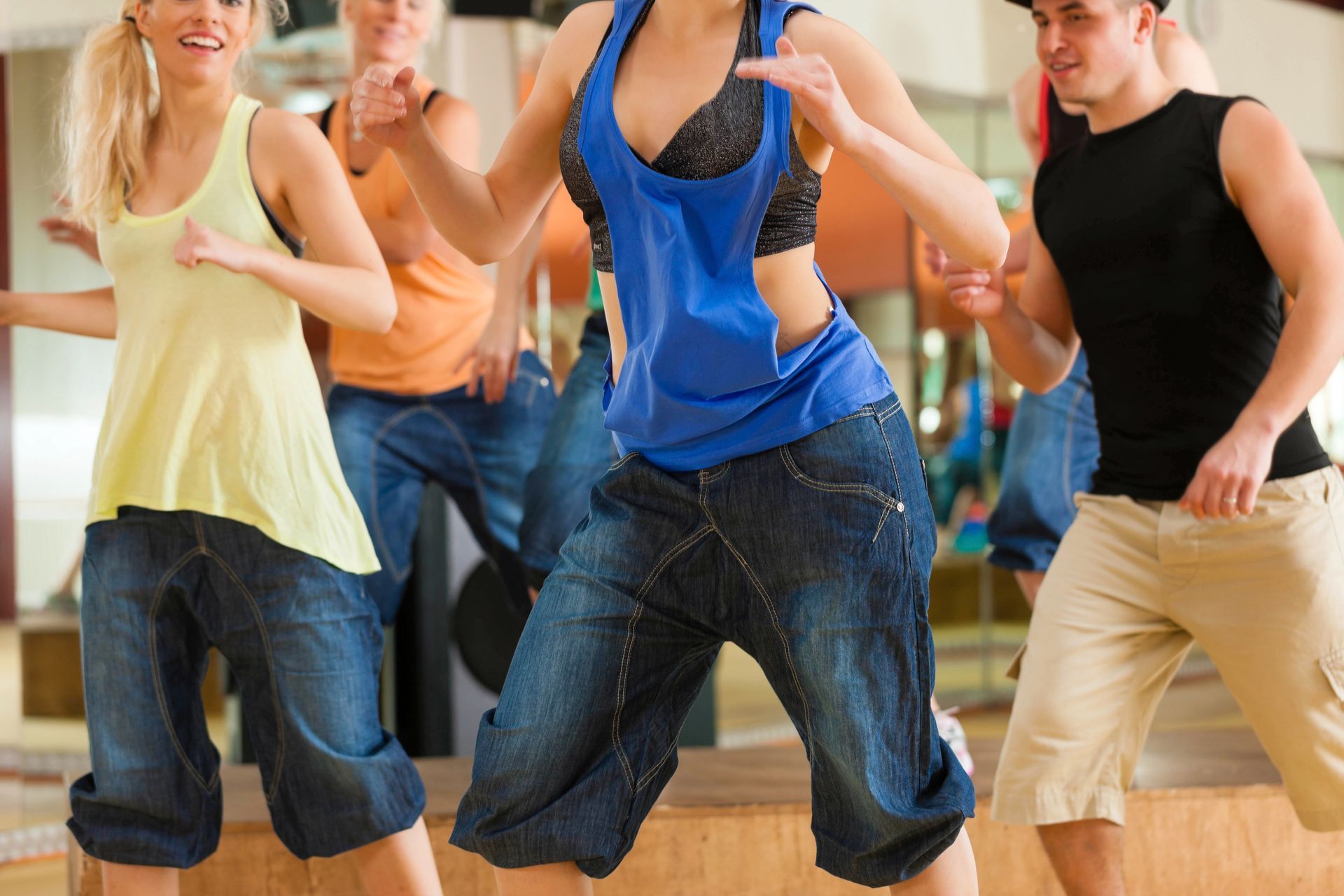
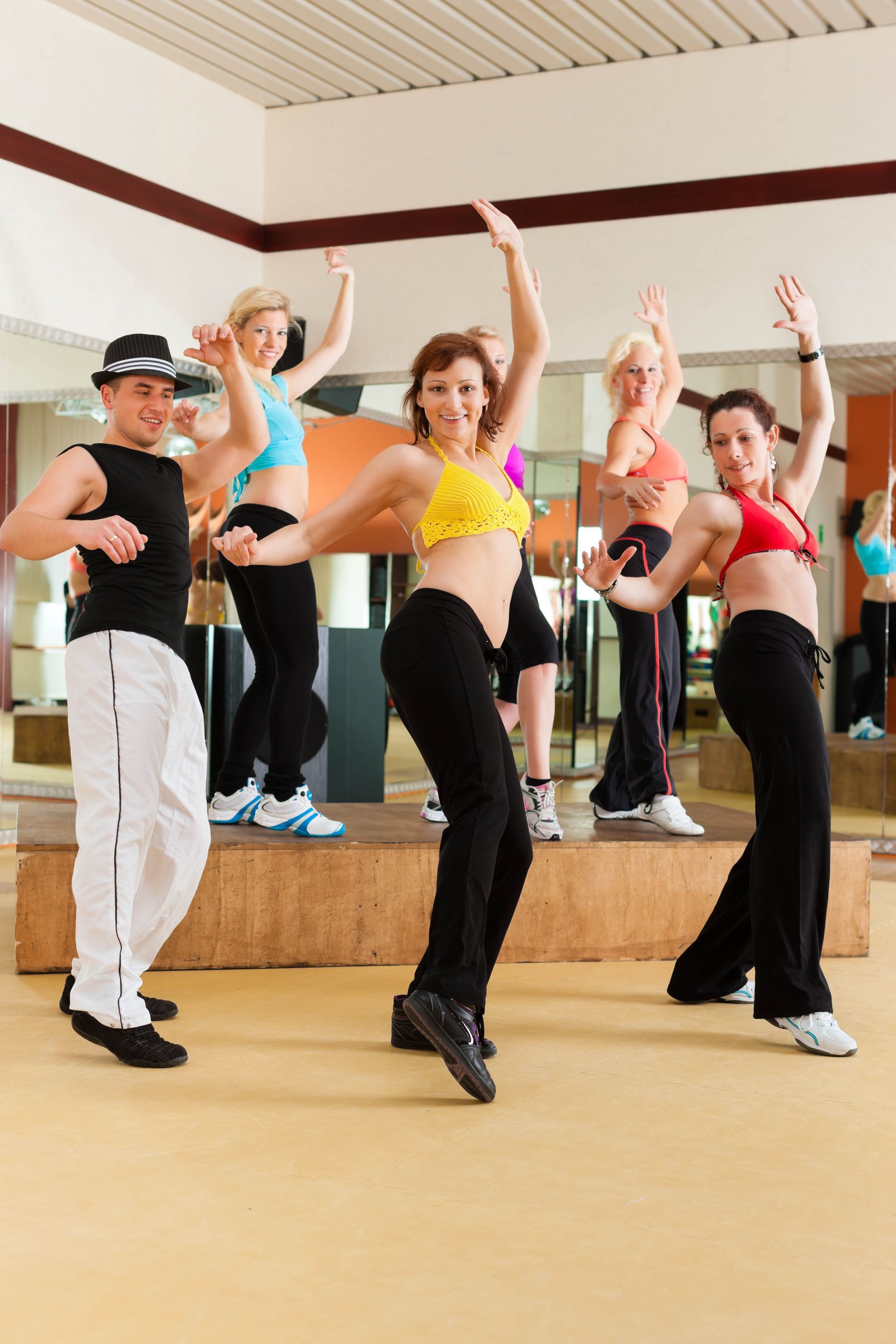
High-energy styles like tap, jazz, or hip-hop cultivate percussive rhythm, sharp coordination, and dynamic stage energy. Meanwhile, partner genres foster teamwork, nonverbal communication, and social connection across energetic rhythms. Testing different disciplines through introductory dance lessons reveals which style naturally complements your body mechanics, artistic sensibilities, and musical preferences. Exploring various aesthetics prevents boredom and enriches your kinesthetic awareness across different tempos and musical structures.
Dancers often find that cross-training across multiple styles enhances their overall technique. For example, the discipline gained from structured classical work can dramatically improve control in expressive contemporary routines. Similarly, the rhythmic complexity of percussive movement can sharpen your musical timing in classical pieces. Embracing diverse genres expands your physical vocabulary and deepens your appreciation for the broader art form.
Evaluate Studio Learning Environments
Instructional quality depends heavily on studio philosophy, safety guidelines, and overall educational atmosphere. Top-tier institutions employ knowledgeable teachers who grasp physical mechanics, injury prevention, and patient mentoring methods. Transparent curriculum structures ensure students build technical proficiency gradually without risking physical strain or sudden burnout. Observing how instructors communicate constructive feedback reveals whether a studio fosters encouragement or unnecessary stress.
Physical studio conditions also impact overall learning quality and joint longevity. Proper spring-cushioned flooring safeguards joints during jumps, while clear mirrors assist with spatial awareness and alignment adjustments. A supportive classroom climate encourages experimentation, questions, and mutual encouragement, making specialized dance lessons both safe and inspiring for every student. Proper ventilation, adequate room dimensions, and clean facilities further contribute to a healthy learning space.
The community spirit within a studio plays a massive role in student retention and enjoyment. When peers cheer each other on, the studio transforms into a sanctuary away from daily responsibilities. Studios that prioritize inclusive, collaborative atmospheres help reduce self-consciousness, allowing dancers to take creative risks without fear of judgment. Finding a community that shares your passion makes regular practice something you eagerly anticipate each week.
Assess Practical Life Commitments
Long-term artistic growth requires consistency, which means selecting a class routine that fits seamlessly into your lifestyle. Reviewing studio locations, travel durations, and weekly schedules prevents unnecessary stress and missed opportunities for training. Committing to convenient dance lessons makes steady attendance manageable, helping build positive habits without disrupting professional or family commitments. A studio close to home or work makes sticking to a regular routine far more realistic.
According to ZipDo, roughly 25 million people across the U.S. participate in dance instruction annually, and about 70% of these learners gain greater confidence and personal self-esteem from their practice. These findings highlight how regular artistic movement bolsters mental well-being alongside physical stamina when woven smoothly into personal schedules. Choosing realistic class commitments ensures consistent progress and emotional uplift.
Balancing training with other life demands also involves managing physical energy and rest. Overtraining can lead to fatigue, diminishing both enjoyment and progress. A balanced schedule allows sufficient time for muscle recovery, proper nutrition, and mental decompression between sessions.
Choose Group or Private Instruction
Class format significantly influences how students absorb technical feedback and build confidence. Large ensemble classes offer inspiring collective energy, camaraderie, and opportunities to learn by watching fellow participants navigate movement sequences. Group classes also replicate performance environments, teaching spatial awareness, musical synchronization, and dynamic timing alongside peers. Sharing the floor with others builds lasting friendships and fosters a shared sense of accomplishment.
Conversely, individual coaching provides focused mentorship tailored specifically to personal pace, posture, and stylistic nuance. Instructors can instantly correct alignment, address personal stumbling blocks, and adapt choreography to personal capabilities. Many dedicated students discover that combining collaborative group dance lessons with focused individualized sessions creates ideal momentum for accelerated growth.
Deciding between formats often comes down to personal learning styles and immediate priorities. Beginners who feel intimidated by group settings may benefit from starting with private sessions to build foundational confidence. Conversely, seasoned dancers seeking social stimulation might thrive purely in lively group environments.
Invest in Proper Training Attire
Showing up prepared requires wearing comfortable, functional apparel that supports freedom of movement and safe training. Supportive activewear allows teachers to observe spinal alignment, knee tracking, and foot articulation accurately. Wearing baggy or restrictive clothing hampers self-correction and limits expressive mobility across complex movement phrases.
Footwear choices demand careful consideration because inappropriate soles can cause joint strain or slipping hazards. Canvas slippers, hard-soled tap shoes, jazz boots, and athletic footwear each serve specific mechanical functions on specialized studio flooring. Investing in the proper gear before starting advanced dance lessons ensures maximum safety, comfort, and confidence during every class.
Maintaining your dance apparel and gear also demonstrates respect for the craft and your fellow dancers. Regularly cleaning dance shoes, checking sole wear, and keeping hair secured neatly away from the face minimizes distractions during intense routines.
Stepping onto the studio floor unlocks vibrant physical vitality, emotional poise, and lifelong creative joy when guided by passionate mentors. Embrace the transformative power of purposeful movement, discover your artistic voice, and build lasting confidence by scheduling a visit with Pennsylvania Academy of Dance Art today.