May 14, 2026
Learning how to move with confidence can shape the way students feel in the studio, at school, at work, and in everyday life. For children, teens, and adults, structured movement provides a supportive way to build body awareness, practice focus, and experience progress through repetition. Dance also gives students a creative outlet that does not depend on saying the perfect thing or performing perfectly from the start. Instead, it encourages them to keep trying, listen closely, and grow through consistent practice. Over time, that process can help students feel more comfortable in their own bodies while improving balance, timing, posture, and control. A dance class can be especially helpful because it blends personal expression with guided instruction, giving students room to develop at their own pace while still working toward clear goals.
Building Confidence Through Consistent Progress
Confidence often grows when students can see and feel their own improvement. In dance, progress may start with learning how to stand taller, follow a rhythm, or remember a short combination. These early achievements may seem small, but they help students understand that effort can lead to visible results. Each new step, correction, and completed routine reinforces the idea that growth is possible with patience.
A dance class gives students regular opportunities to experience that kind of progress. They may begin unsure of how to move, but repeated practice helps them gain control and familiarity. As students become more comfortable, they often begin to participate with less hesitation. This confidence can extend beyond the studio because students learn how to manage nerves, accept feedback, and keep going even when something feels challenging.
That steady encouragement can be especially helpful for younger students who are still learning how to handle mistakes without becoming discouraged.
Strengthening Coordination Through Guided Movement
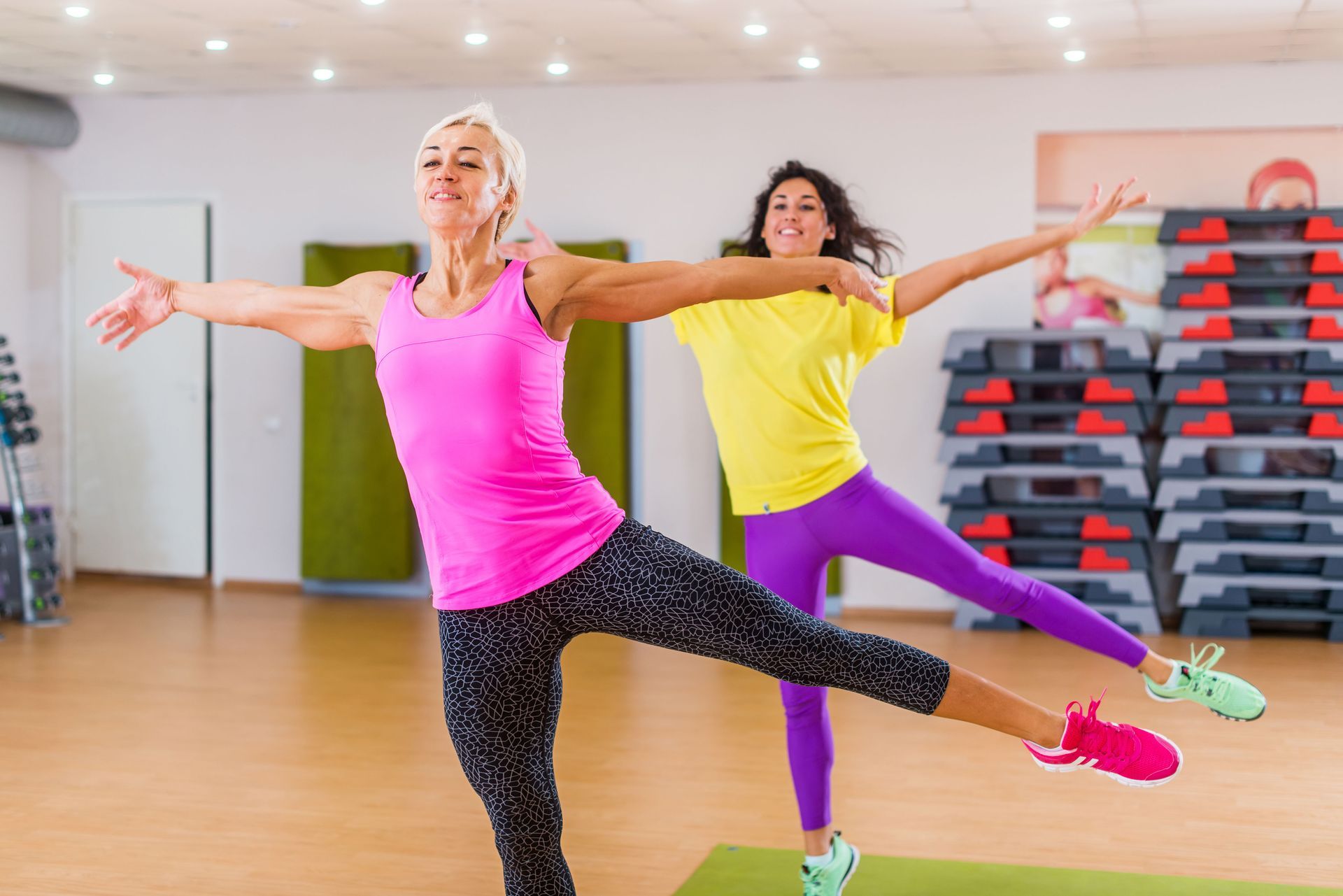
Coordination develops when the body learns how to connect movement, timing, and direction. Dance supports this development because students must use different muscle groups while listening to music, following instructions, and staying aware of space. They may need to move their arms one way while their feet follow a different pattern, which strengthens both physical control and mental focus.
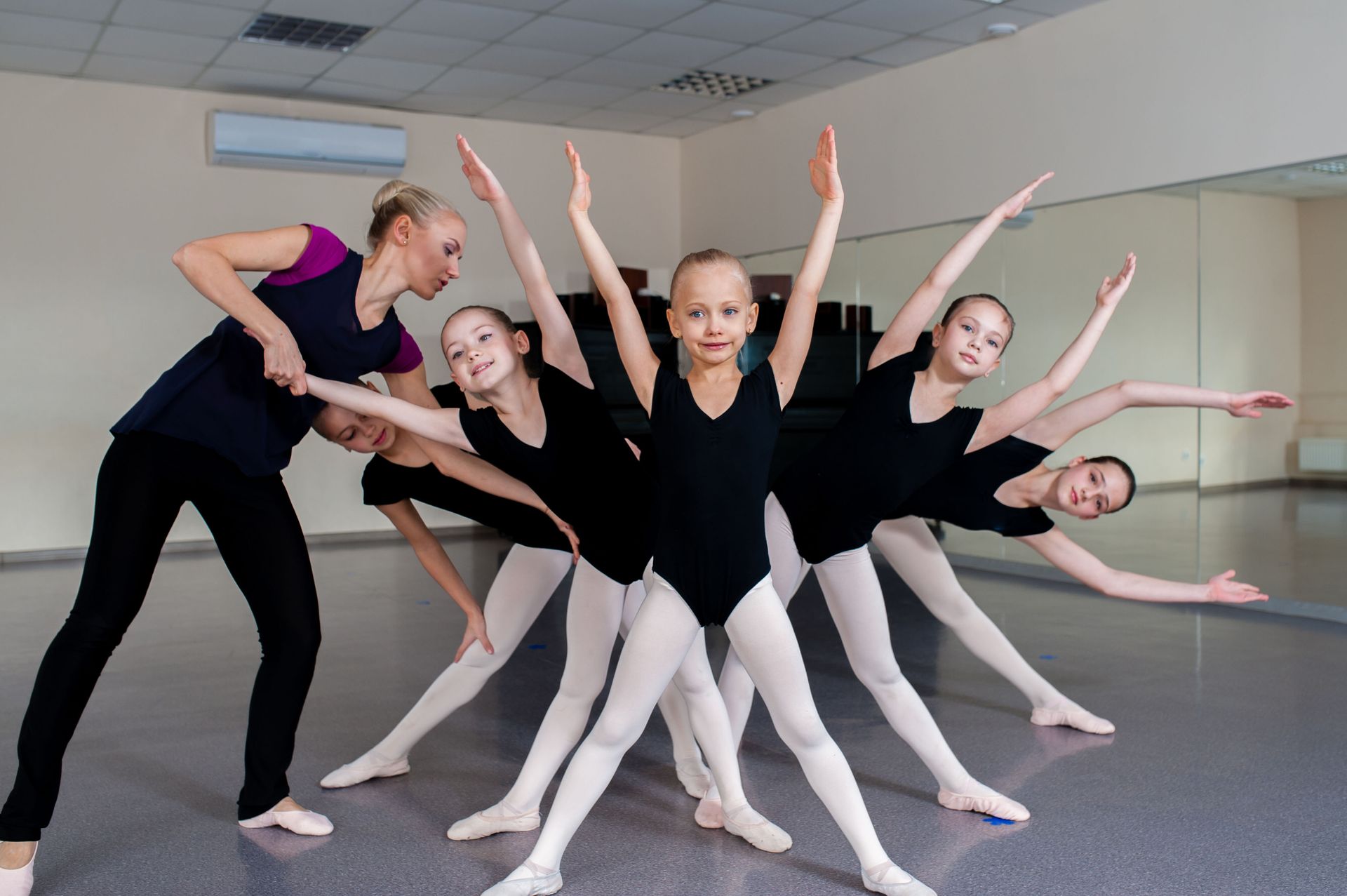
A dance class offers structured guidance that helps students build these skills safely. Instructors can break movements into smaller parts so students understand how each action fits together. Over time, students improve their balance, flexibility, rhythm, and spatial awareness. These skills can support everyday movement, sports, posture, and general physical activity. Coordination also improves when students learn to slow down, concentrate, and repeat movements until they become more natural. As students gain better control, they often move with more ease and less self-consciousness.
Encouraging Self-Expression Through Creative Practice
Dance gives students a way to express emotion, personality, and imagination through movement. This can be especially meaningful for students who feel shy, reserved, or unsure about speaking in front of others. Instead of relying only on words, they can use posture, rhythm, facial expression, and motion to communicate. That creative freedom can make the learning process feel more personal and enjoyable.
In a dance class, students are encouraged to explore expression while still learning technique. This balance helps them understand that creativity and discipline can work together. When students perform a movement with their own energy and style, they begin to develop a stronger sense of individuality. They may also learn that confidence does not require being the loudest person in the room. Sometimes, confidence comes from feeling comfortable enough to move, try, and be seen. This kind of expression can help students feel proud of what makes them unique.
Supporting Social Skills Through Shared Learning
Dance is often a shared experience, even when students are working on individual skills. Students learn how to listen, take turns, respect personal space, and support classmates. They may practice routines as part of a group, which requires cooperation and awareness. These moments help students understand how their movements contribute to something larger than themselves.
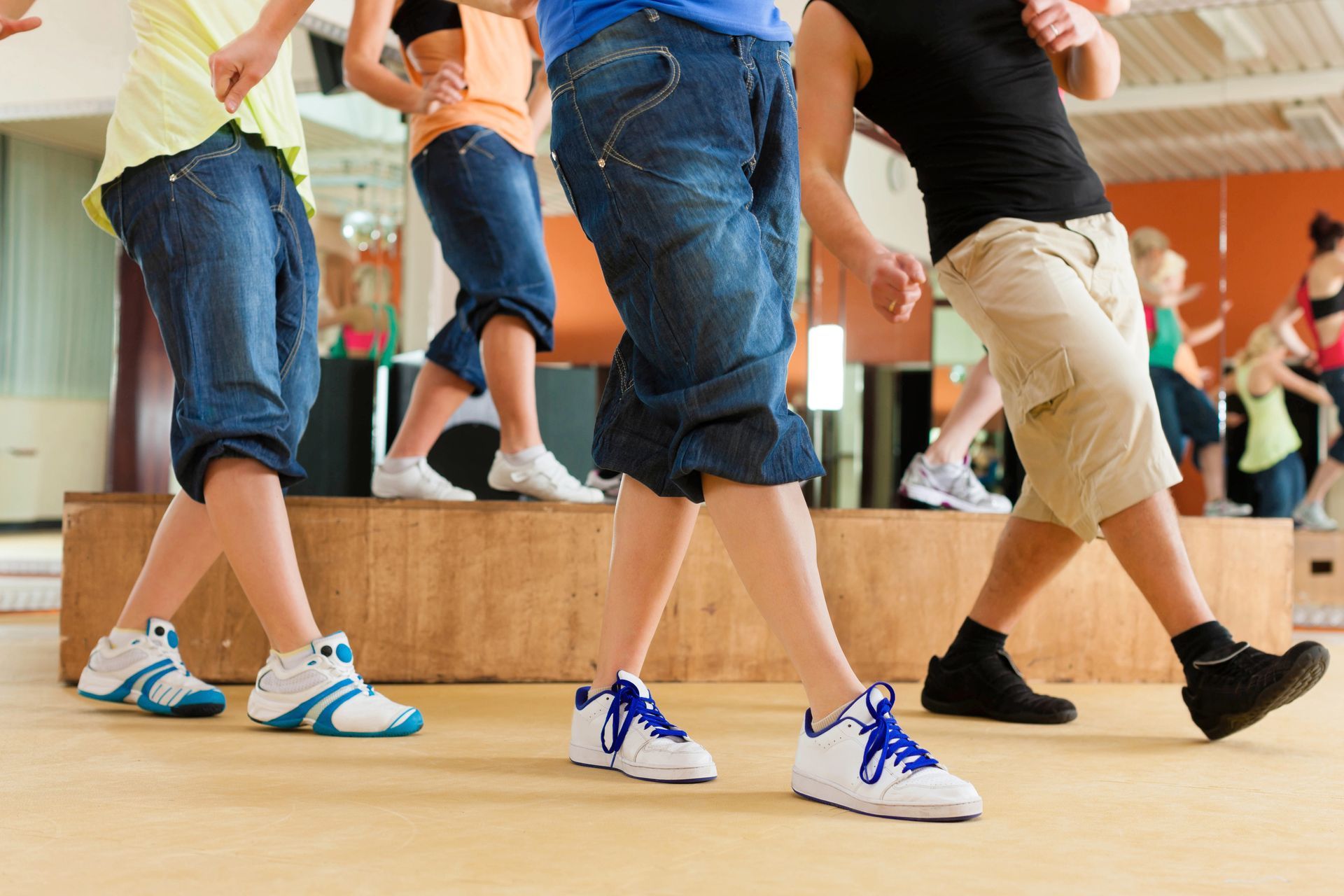
A dance class can also create a positive environment where students build friendships through shared effort. Learning alongside others helps normalize mistakes because everyone is working through challenges together. Students see that improvement takes time, which can make them more patient with themselves and others. Group learning also encourages accountability. When students practice together, they learn to show up prepared, pay attention, and contribute to the success of the class. These social lessons can be just as valuable as the physical skills they develop.
Improving Focus Through Repetition and Routine
Focus is an important part of dance training. Students must listen carefully, remember sequences, respond to music, and adjust their movements based on instruction. This requires concentration, especially when a routine includes several steps or changes in direction.
Through repetition, students learn how to stay present and work through distractions.
A dance class provides routine, which can be helpful for students who benefit from structure. Warmups, technique exercises, combinations, and cooldowns create a predictable rhythm for learning. Within that structure, students practice discipline without losing creativity. They learn that improvement often comes from repeating the same movement many times with small adjustments. This process builds patience and helps students understand that mastery is not instant. It is developed through steady effort, attention to detail, and a willingness to practice again.
Nurturing Resilience Through Positive Challenge
Dance challenges students in ways that are both physical and emotional. A student may struggle with a turn, forget part of a routine, or feel nervous before performing. These experiences can be frustrating, but they also teach resilience. Students learn how to recover from mistakes, try again, and approach challenges with a growth mindset. That steady process can help students feel capable, prepared, and encouraged after each new attempt.
The benefits of this process are reflected in broader participation and student experiences.
According to ZipDo, about 25 million Americans take dance classes each year, and 70% of students report improved self-esteem and confidence through dance. Those numbers show how meaningful dance can be for people who want to grow physically, socially, and emotionally. In a supportive dance class, students are not expected to be perfect. They are encouraged to keep improving, which helps them build the confidence to face challenges with more courage. Each lesson becomes another chance to practice persistence in a positive, encouraging setting.
Creating Long-Term Benefits Through Dance Education
The benefits of dance can continue long after a student finishes a routine or completes a level. Students may carry better posture, stronger coordination, improved focus, and greater self-assurance into other parts of life. Children may become more comfortable participating in school activities. Teens may gain confidence in presentations, performances, or team settings. Adults may enjoy a rewarding outlet that supports movement, creativity, and stress relief.
A dance class can be valuable because it brings many developmental benefits together in one experience. Students strengthen their bodies, sharpen their minds, and build emotional confidence through guided movement. They also learn practical life skills, such as commitment, preparation, teamwork, and perseverance. Whether a student is beginning for the first time or returning after years away, dance offers a welcoming path toward growth. With the right instruction and a supportive environment, students can develop skills that help them feel more coordinated, confident, and connected. Call the Pennsylvania Academy of Dance Arts today to learn more or schedule a class.