June 11, 2026
Watching your child step into their very first ballet class is one of those small but memorable parenting milestones. There’s excitement, a little nervous energy, and usually a lot of questions about what actually happens once they walk through the studio doors. Ballet can look elegant and structured from the outside, but for beginners, it’s also playful, welcoming, and focused on building comfort in movement. Understanding what to expect helps parents feel more at ease and allows children to enjoy the experience without pressure. A child’s introduction to ballet dance is less about perfection and more about exploration, coordination, and confidence building in a supportive environment.
Creating a Warm and Structured Welcome
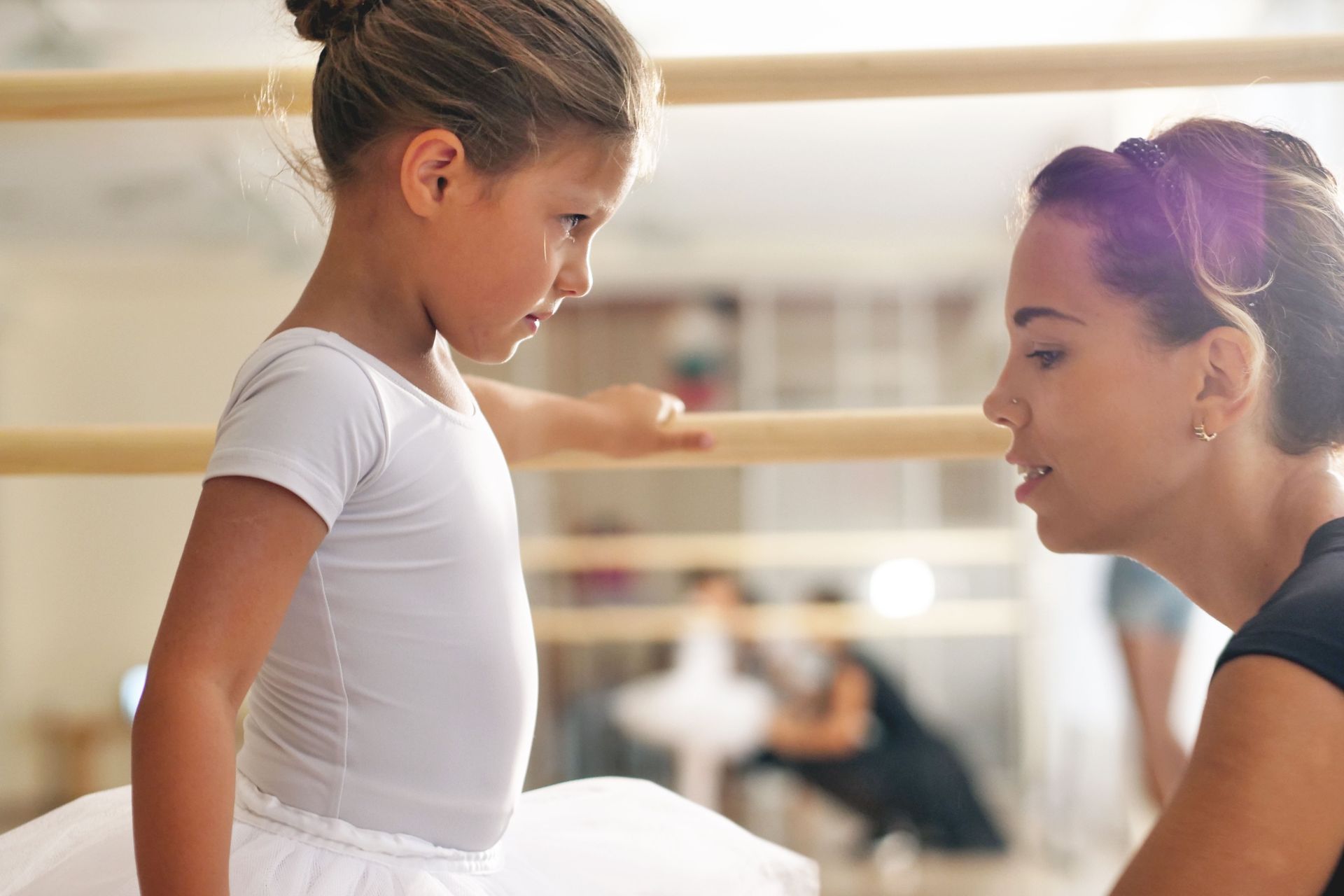
The first thing parents will notice is how intentional the environment feels when their child begins ballet dance. Studios are typically calm, organized spaces designed to help young dancers feel focused but not overwhelmed. Instructors usually greet students warmly and guide them into the class routine step by step. This structure helps children understand what to expect each time they attend, which is especially important during early ballet dance experiences when everything is new. Parents are often surprised at how quickly children begin to adapt to the rhythm of the class, even if they were shy at first. That early sense of familiarity often helps build confidence from the very first visit.
Introducing Simple Movements That Build Foundations
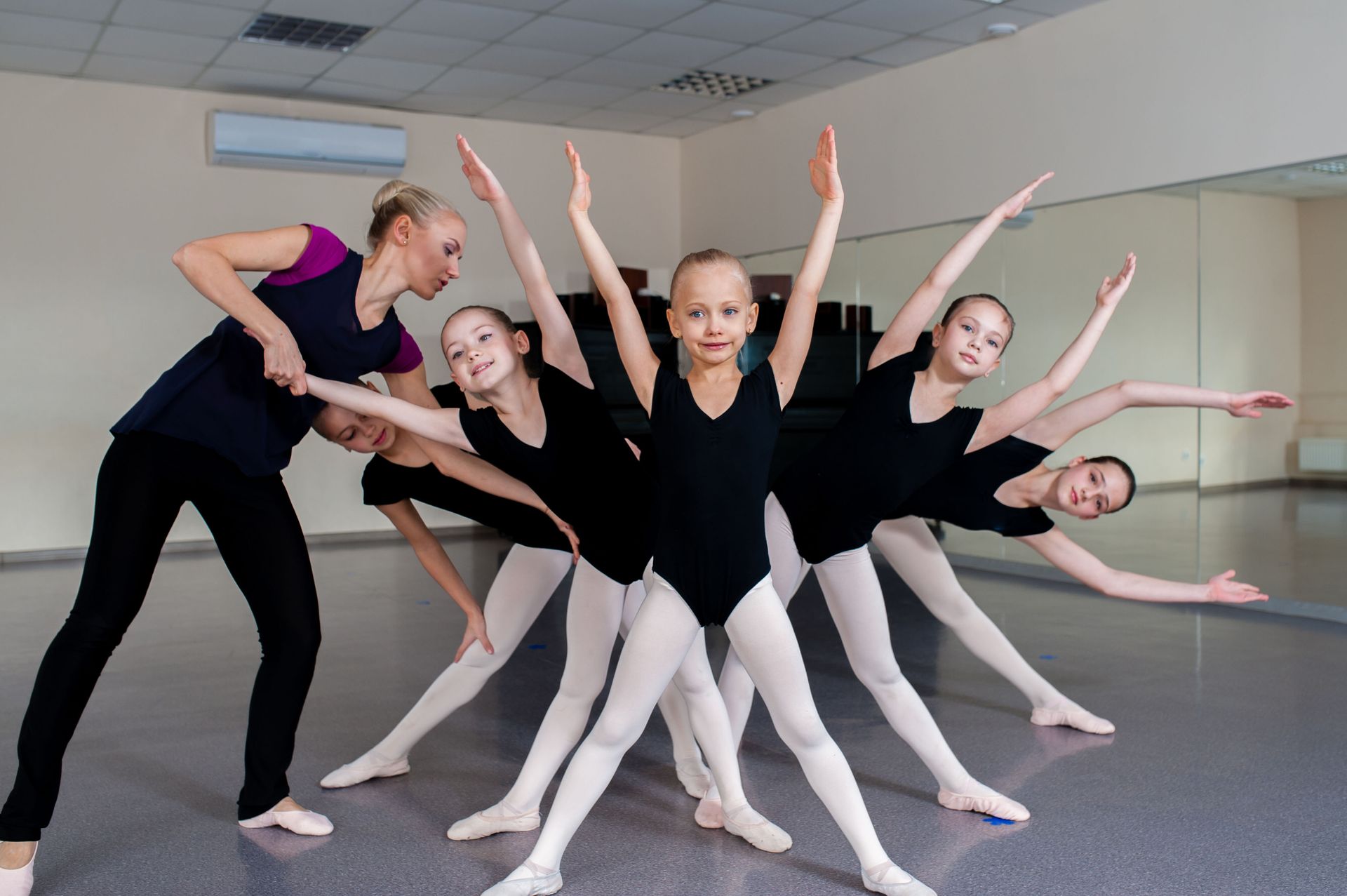
In a first ballet dance class, movements are kept simple and approachable. Children are introduced to basic positions, gentle stretches, and easy coordination exercises that help them become familiar with how their bodies move. These early lessons are not about precision but about comfort and awareness. As they continue in ballet dance, these foundational movements will gradually support a more structured technique. Parents often notice that even simple exercises help their child become more mindful of posture and balance in everyday activities. Over time, these basics become the building blocks for more confident movement.
Learning Through Play and Creativity
One of the most enjoyable parts of early ballet dance classes is the playful approach to learning. Instructors often use imaginative storytelling, music, and creative movement to help children connect with the activity. This keeps young dancers engaged while also helping them develop rhythm and coordination. Ballet dance at this stage feels more like guided play than strict training, which helps children stay excited about returning each week. Parents frequently see their children reenacting parts of class at home, which is a natural extension of their learning experience.
Building Focus and Listening Skills
Even in early stages, ballet dance encourages children to develop focus and listening skills. Students are guided to follow instructions, watch demonstrations, and respond to musical cues. These skills take time to develop, but consistent exposure helps children become more attentive in structured environments. As they progress in ballet dance, this ability to concentrate often extends beyond the studio and into school or other activities. Parents may notice improved patience and listening habits forming gradually over time. This kind of development often becomes one of the most valuable long-term benefits of consistent participation.
Benefiting From Social Interaction and Group Learning
Another important part of a first ballet dance experience is learning in a group setting. Children are encouraged to participate alongside peers, which helps them develop social awareness and teamwork skills. Sharing space, taking turns, and moving together to music are all part of the experience. Ballet dance classes provide a positive environment for children to build friendships while learning discipline and cooperation. Many parents find that their child becomes more confident in group settings after just a few classes. These early interactions often help children feel more comfortable in other social environments as well.
Understanding Classroom Etiquette
First-time ballet dance students are gently introduced to classroom expectations and etiquette. This includes simple guidelines like waiting for instructions, respecting space, and following along with the instructor. These expectations are explained in a way that is easy for young children to understand and apply. Over time, ballet helps reinforce respect for structure and shared learning environments. Parents often appreciate how these early lessons support behavior and routine outside the studio as well. This foundation can also make transitions into other structured activities much smoother.
Considering a Balance of Energy and Calm
Children often arrive at their first ballet dance class full of energy, and part of the learning process involves balancing that excitement with moments of calm focus. Classes typically alternate between movement and stillness, helping children understand when to express energy and when to settle into control. This balance is an important part of early ballet dance development. Parents may notice their child becoming more aware of how to manage energy in different situations over time. Instructors often use music and pacing to naturally guide children between active and quiet moments. This helps make the learning experience feel structured without losing its sense of fun.
Noticing Progress That Happens Gradually
It’s important for parents to understand that progress in ballet dance happens gradually. The first few classes are about comfort, repetition, and building familiarity rather than mastering technique. Each child develops at their own pace, and instructors are trained to support this natural progression. As children continue in ballet dance, they begin to refine coordination, posture, and movement quality in small but meaningful ways. According to Market Reports World, the U.S. ballet industry itself accounts for roughly 15% of industry activity, reflecting the steady growth and widespread participation in dance education overall. Small milestones, like remembering sequences or improving balance, often become the most noticeable signs of growth over time.
Providing Encouragement and Positive Reinforcement
Positive reinforcement plays a major role in early ballet dance education. Instructors often provide encouragement throughout the class to help children feel confident in their efforts. This supportive approach helps reduce anxiety and makes the learning environment more enjoyable. Ballet dance becomes a space where children feel safe to try, make mistakes, and improve without pressure. Parents often see their child becoming more willing to participate and express themselves as confidence builds. Even small accomplishments are celebrated, which helps reinforce a healthy connection to learning and movement.
Knowing What Parents Can Expect Emotionally
From an emotional standpoint, parents can expect a mix of excitement, curiosity, and occasional hesitation during early ballet dance experiences. Some children may be eager from the start, while others take time to adjust to the new environment. Both reactions are completely normal. Over time, ballet dance tends to become something children look forward to as familiarity grows. Parents often find that their own confidence increases as they see their child becoming more comfortable and engaged. It’s also common for pride and joy to grow with each small step forward their child takes.
A child’s first ballet dance class is less about performance and more about discovery, structure, and enjoyment. From learning basic movements to building social skills and confidence, the experience lays the groundwork for long-term growth in dance and beyond. Parents play an important role simply by encouraging consistency and celebrating effort. Pennsylvania Academy of Dance Arts provides a welcoming environment where children can explore ballet dance in a supportive and engaging way. Over time, these early experiences help shape not only dance ability but also confidence, discipline, and creativity.